




























EOCO's Bail Conditions for Ex-NAFCO CEO Hannan Wahab Unfair and Punitive - Minority
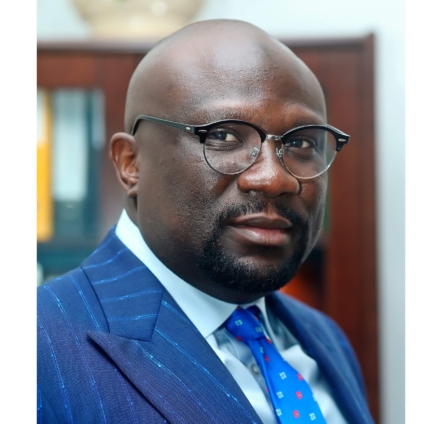


Accra, Ghana - 2 July, 2025 - The Minority in Ghana's Parliament is urging the Economic and Organised Crime Office (EOCO) to review the bail conditions imposed on former National Food Buffer Stock Company CEO, Abdul Hannan Wahab, and his wife. The couple was arrested on June 25, 2025, as part of an investigation into alleged tax evasion, money laundering, and causing financial loss to the state.
According to the Minority, the bail conditions are "unfair and punitive." Abdul Hannan Wahab was granted bail in the amount of GH₵50 million with two sureties, both to be justified, while his wife was granted GH₵30 million bail with two sureties, one of which must also be justified.
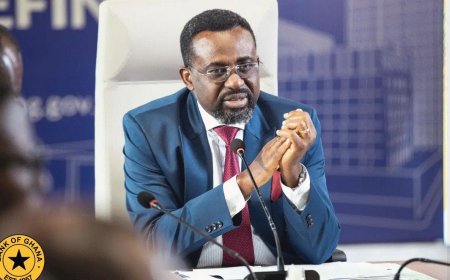
Deputy Minority Leader Patricia Appiagyei at a press briefing in parliament on July 1, described the bail terms as excessive, arguing that they appear to be designed to unreasonably keep Mr. Wahab in custody.
"The bail must be reasonable, fair, and consistent with the law, not an indirect punishment," she stressed.
The Minority is demanding that EOCO revises the bail terms to reflect fairness and due process. They also warned against what they perceive as a pattern of political retaliation under the current administration, calling on civil society groups, religious leaders, the media, and the broader Ghanaian public to push for fairness in the application of justice.
“This afternoon, the Minority in Parliament has taken serious note of the arrest and subsequent bail conditions imposed by the Economic and Organised Crime Office (EOCO) on Alhaji Abdul Hannan Wahab, the immediate past CEO of the National Food Buffer Stock Company,” she said.
“Following this questionable mode of arrest, what is even more troubling are the bail conditions subsequently imposed,” Madam Appiagyei said.
“Ghana must rise above the politics of revenge and retaliation. No public servant should be punished simply for serving under a different administration,” she said, calling on civil society groups, religious leaders, the media, and the broader Ghanaian public to push for fairness in the application of justice,'' she stated.
“Let us demand that our justice system be fair and not fearful. Let us resist the creeping abuse of power. Justice must not depend on political colours.”
Source: Lead Nes Online
What's Your Reaction?