























UNGA80: Mahama Demands End to Exclusive Veto Power
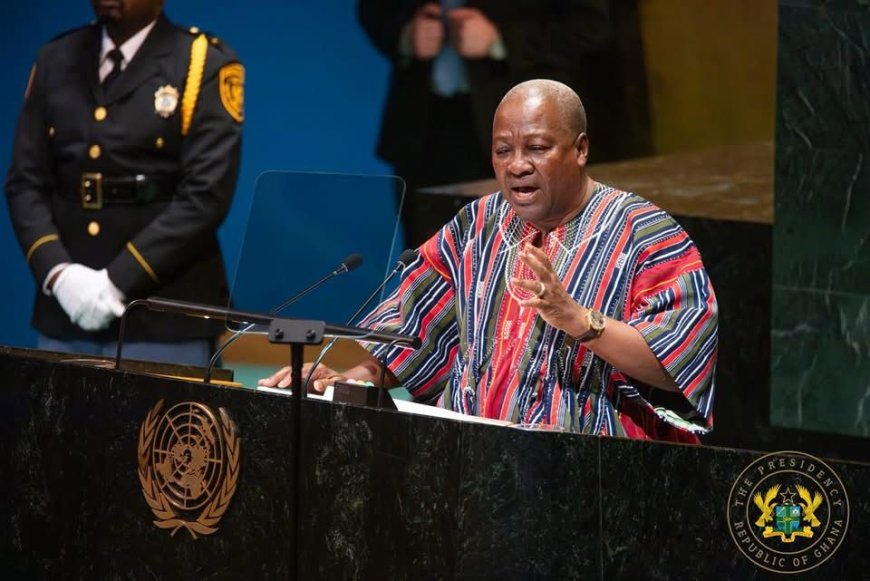

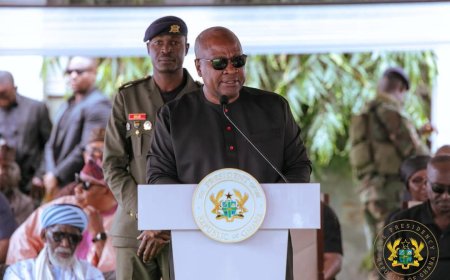
New York - President John Dramani Mahama has called for sweeping reforms to the United Nations Security Council, insisting that the current structure is outdated and unfairly concentrates power in the hands of a few nations.
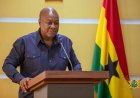
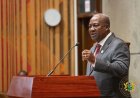
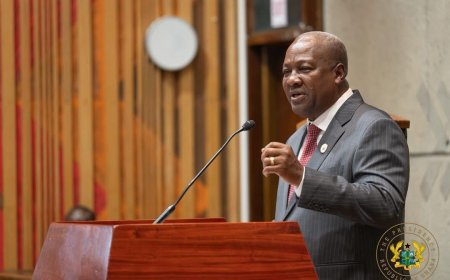
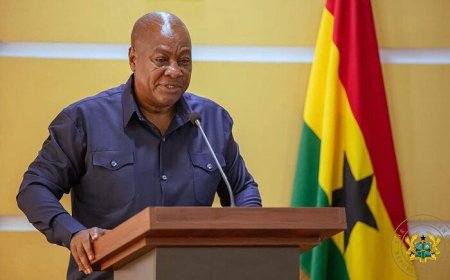
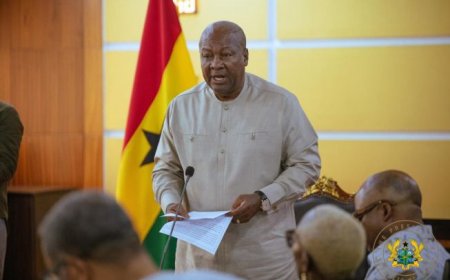
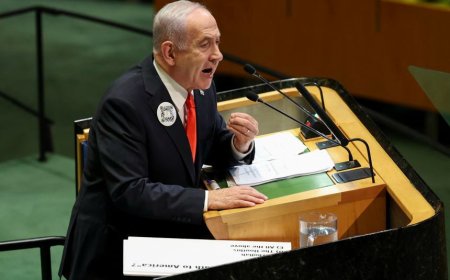
Speaking at the 80th Session of the UN General Assembly, Mahama emphasized that veto power should not be restricted to the five permanent member nations.
"The most powerful post-World War II nations are still being rewarded with an almost totalitarian guardianship over the rest of the world," Mahama stated, highlighting the contradiction between the UN's founding principle of sovereign equality and the reality of concentrated power. "If this were truly the case, a continent as large as Africa with its numerous UN Member states would have at least one permanent seat on the Security Council."
Mahama's demand for reform is rooted in the belief that the current system undermines the UN's legitimacy and effectiveness. He cited Nelson Mandela's 1995 speech at the UN, where the former South African President urged the organization to "reassess its role, redefine its profile, and reshape its structures." Mahama emphasized that little progress has been made since then, with African leaders still pushing for a permanent seat on the Security Council with veto power.
Mahama stressed that Africa deserves a permanent seat on the Security Council, given its size and influence. "Today, we African leaders are still making the same request: for a permanent seat on the Security Council, with the power of veto. So, I ask again: if not now, then when?" he declared. He also proposed establishing a mechanism for the General Assembly to challenge a veto, ensuring that no single nation can exercise absolute veto power to serve its own interests in a conflict.
Additionally, Mahama called for a reset of the global financial architecture, which he described as "rigged against Africa." He emphasized the need for greater African representation and decision-making power within international financial institutions.
"The future is African," he declared, citing projections that by 2050, more than 25% of the world's population will come from the African continent. He emphasized that the UN must adapt to these changes and ensure that its structures reflect the diversity of its member states.
Source – Lead News Online/Leticia Okpoti
What's Your Reaction?