






































UK Rolls Out World-First Gonorrhoea Vaccine Program
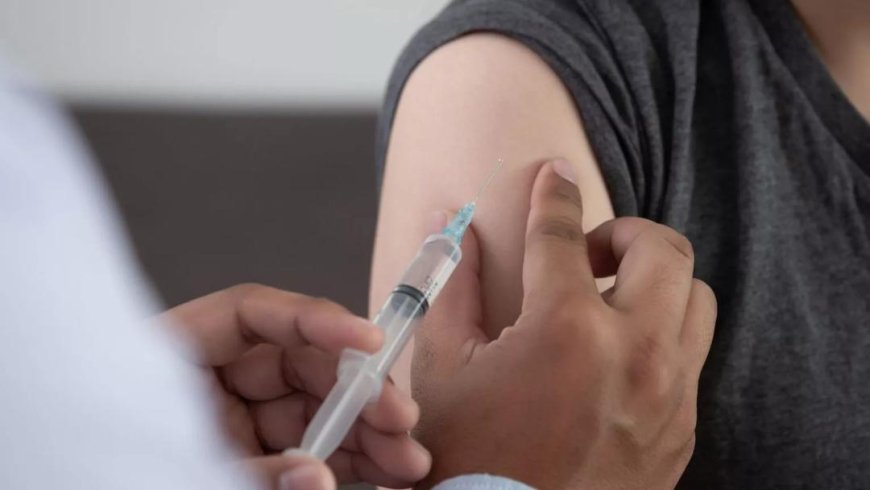


The UK has launched a groundbreaking gonorrhoea vaccination program, offering free jabs to high-risk individuals, primarily gay and bisexual men with a history of multiple sexual partners or sexually transmitted infections. This pioneering initiative aims to combat record-breaking infection rates and mitigate the growing threat of antibiotic resistance.
The 4CMenB vaccine, originally designed to prevent meningitis B in babies, has been found effective against gonorrhoea due to the close relation between the bacteria causing the two diseases. With an estimated effectiveness of 30-40%, the vaccine is expected to prevent up to 100,000 cases and save the NHS approximately £7.9 million over the next decade.
Sexual health clinics across England will offer the vaccine to eligible patients starting August 4, 2025. Those attending clinics for the gonorrhoea vaccine will also be offered vaccinations against mpox, hepatitis A and B, and human papillomavirus (HPV), providing comprehensive protection against various diseases.
Health experts welcome the vaccine rollout, citing its potential to alleviate pressure on sexual health services and reduce the incidence of STIs. Dr. Amanda Doyle, NHS national director for primary care and community services, emphasizes the importance of eligible individuals taking up the offer to "keep each other safe."
Richard Angell, chief executive of the Terrence Higgins Trust, describes the vaccine as a "remarkable addition to our toolkit on sexual health." He adds that it's crucial to ensure everyone who could benefit from the vaccine knows about it and can access it.
Gonorrhoea diagnoses have reached an all-time high, with over 85,000 cases reported in England in 2023, three times higher than in 2012. The bacterial infection can cause severe health issues, including infertility, if left untreated. While condoms can prevent gonorrhoea, the vaccine provides an additional layer of protection.
Individuals who may be eligible for the vaccine are encouraged to contact their local sexual health clinic for more information. By taking up the offer, they can not only protect themselves but also their sexual partners and contribute to reducing the burden on sexual health services.
Source - BBC News
What's Your Reaction?