
















President Mahama Pledges Justice and Compensation for 2024 Electoral Violence Victims
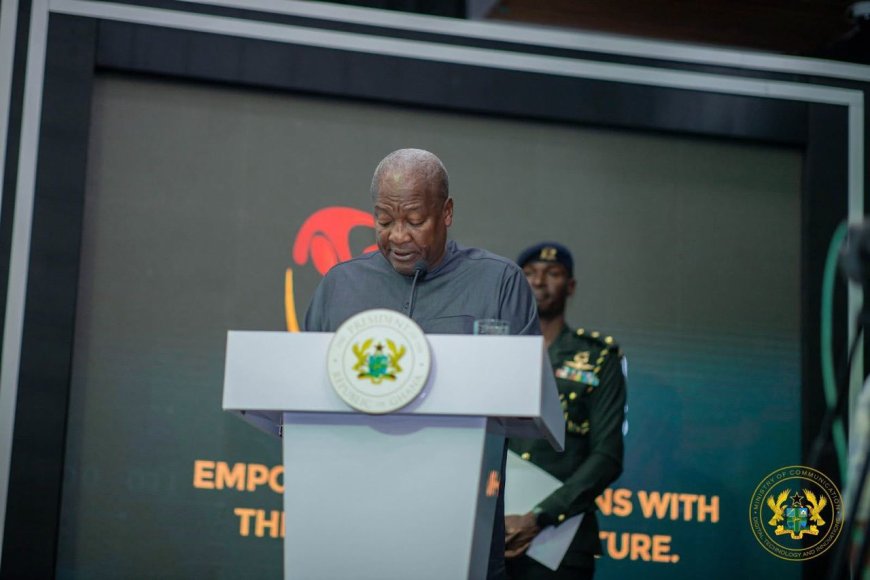

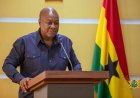
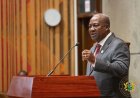
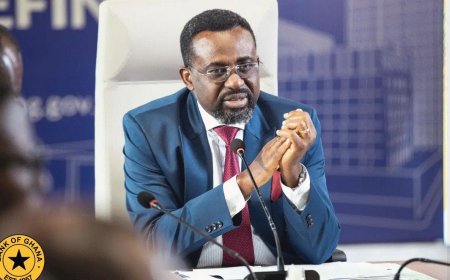
Koforidua, Eastern Region, Ghana - 6 July, 2025 - Ghana’s President John Dramani Mahama has vowed to deliver justice and compensation for victims of violence during the 2024 general elections, underscoring his administration’s commitment to strengthening the country’s democratic institutions.
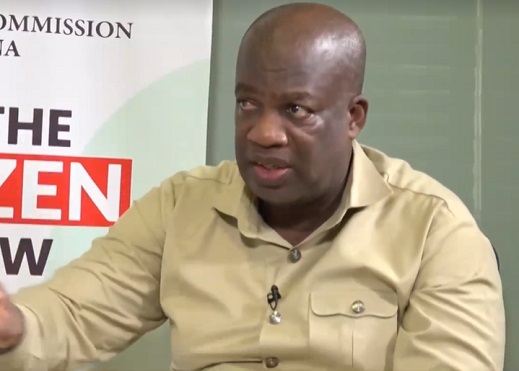
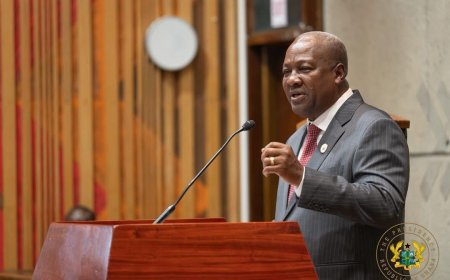
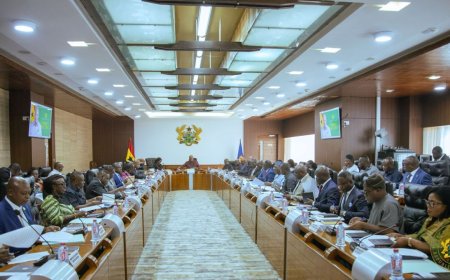
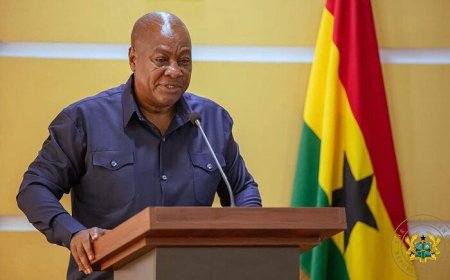
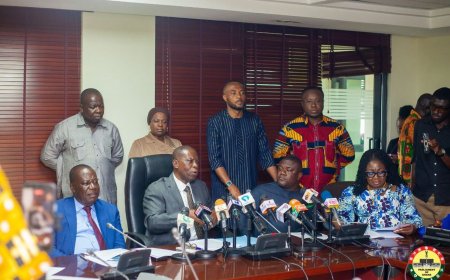
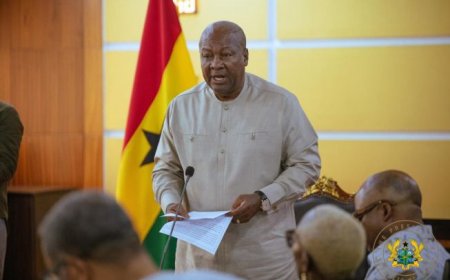
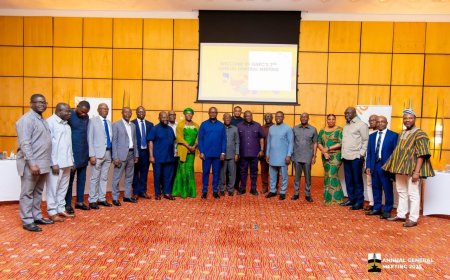
Speaking at the National Peace Council’s Post-2024 Elections Evaluation Dialogue in Koforidua on 4 July 2025, Mahama condemned the sporadic acts of violence that marred the December 2024 polls and directed the Inspector General of Police to expedite investigations into the incidents.
“I requested that the IGP expedite investigations into these acts of electoral violence and bring perpetrators to justice,'' he stated.
"The IGP is also working on a report to be presented to Cabinet for adequate compensation to be paid to victims and relatives of those affected by the violence.”
“Let me use this platform to unequivocally condemn these acts of violence and call for swift accountability for the perpetrators,” he said.
He revealed that Attorney General Dominic Ayine is preparing a proposal to ensure adequate compensation for affected individuals and their families, a move aimed at addressing grievances and restoring public trust in Ghana’s electoral process.
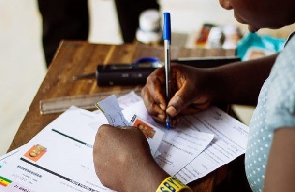
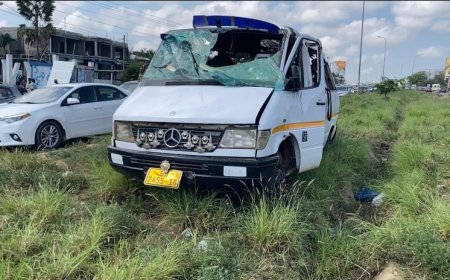
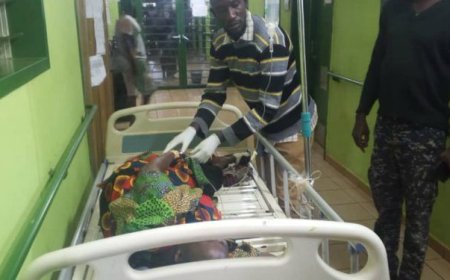
The 2024 elections, held on 7 December, saw Mahama, representing the National Democratic Congress (NDC), secure a decisive victory with 56.55% of the presidential vote against Vice President Mahamudu Bawumia’s 41.8%, according to the Electoral Commission. The NDC also won 184 of 276 parliamentary seats, cementing a strong mandate for Mahama, who previously served as president from 2012 to 2017. While the elections were largely peaceful, isolated violence in constituencies like Techiman South, Odododiodio, and Ablekuma North resulted in at least five deaths and numerous injuries, as reported by the Ghana Police Service.
Incidents included clashes between supporters of the NDC and the New Patriotic Party (NPP), attacks on collation centres, and the destruction of electoral materials, such as in Ablekuma North, where a fire on 17 December 2024 destroyed ballot boxes.
Mahama, addressing these events, reiterated that political differences must not justify violence, urging stakeholders to prioritise national unity.
He praised the Vigilantism and Related Offences Act of 2019 for reducing politically motivated violence but stressed the need for further reforms to prevent future unrest.
“Elections are by nature high stake events. They are a contest of ideas and ideologies, often influenced by deeply held convictions and competing visions for national development,” he said.
“While Ghana once again demonstrated its democratic resilience in the 2024 elections... we cannot ignore that the process was marred by isolated acts of violence in some constituencies.”
What's Your Reaction?