































IMDEC 2025: Ghana Opens 4th Maritime Defence Conference, Urges Tech-Driven Fight Against Gulf of Guinea Threats



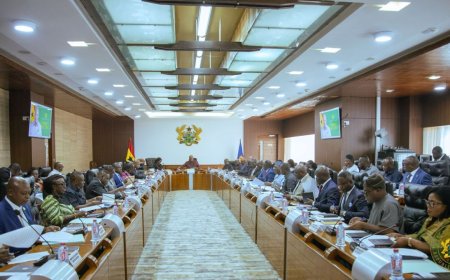
Accra, Ghana - 9 July, 2025 - Ghana has opened the 4th International Maritime Defence Exhibition and Conference (IMDEC) in Accra, with a resounding call for African nations to unite in leveraging technology and regional cooperation to combat persistent maritime threats in the Gulf of Guinea, a region notorious for piracy, illegal fishing, and trafficking.
The event, launched on 8 July 2025 at the Burma Hall of the Ghana Armed Forces Headquarters, underscores the urgent need for coordinated action to secure Africa’s maritime domain, which accounts for 25% of the continent’s maritime traffic and is vital to its economic growth.

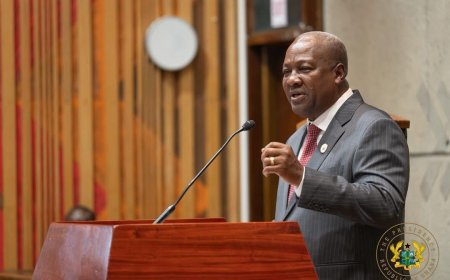
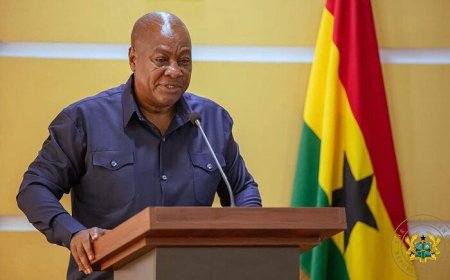
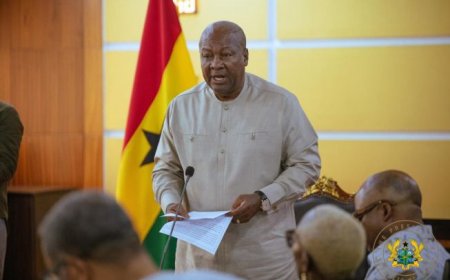
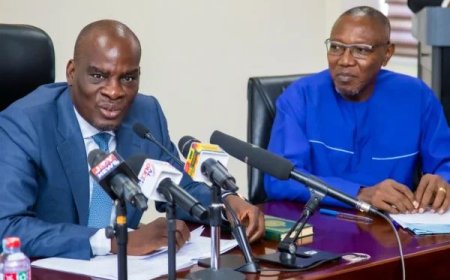
In his keynote address, delivered on behalf of President John Dramani Mahama, Chief of Staff Julius Debrah described the conference as a “collective call to action” for African governments, navies, and international partners to prioritize maritime security.
“This conference is more than a dialogue, it is a call to action,” Mr. Debrah said. “Technology and innovation must be central to current maritime security strategies. Africa must speak with a unified voice to protect its maritime borders and formulate robust strategies to secure our territorial waters, 'Debrah said, emphasizing that technology and innovation are critical to modern maritime defence.

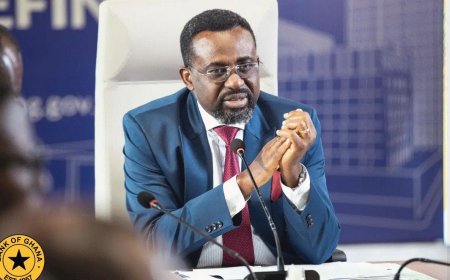
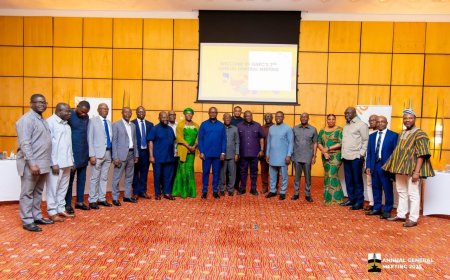
The conference, themed “Securing Africa’s Maritime Future,” has drawn over 200 delegates from more than 20 countries, including naval chiefs, defence officials, and industry leaders from nations such as Nigeria, South Africa, Senegal, France, Brazil, and the UK.Rear Admiral Livinus Bessing, representing Ghana’s Chief of the Naval Staff, Rear Admiral Issah Adam Yakubu, highlighted the Gulf of Guinea’s status as one of the world’s most perilous maritime regions.
He pointed to a recent abduction of a Ghanaian fishing vessel as evidence of the ongoing threat of piracy and armed robbery at sea, which accounted for 22 incidents in the first quarter of 2019 alone, according to the International Maritime Bureau. “Armed attacks on vessels remain high, and the recent abduction of a Ghanaian fishing vessel highlights the urgency for stronger coordination among member states,” Bessing said, urging stakeholders to shift from commitments to tangible implementation, particularly through advanced surveillance and response technologies.
The conference comes at a critical juncture for the Gulf of Guinea, a 2.3 million square kilometre maritime zone stretching from Senegal to Angola, rich in hydrocarbons, fisheries, and minerals. Despite a 90% drop in piracy incidents in 2024 compared to 2020, as reported by the European Union Institute for Security Studies, illegal, unreported, and unregulated (IUU) fishing remains a major challenge, with up to 65% of catches in the region estimated to be illegal, costing local economies up to $10 billion annually.
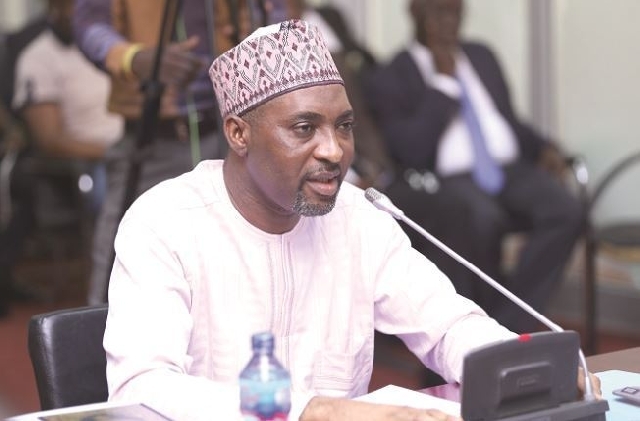
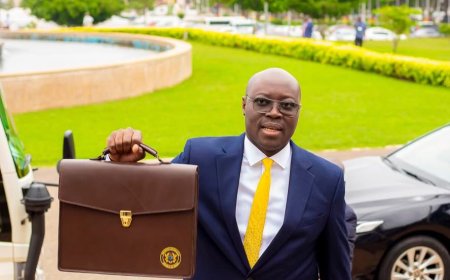
Minister for Fisheries and Aquaculture Development, Emelia Arthur, revealed that her ministry has suspended the licences of four commercial fishing vessels for I POC IUU fishing violations. “We are stepping up surveillance with more vessels patrolling our maritime borders,” she said. “Collaboration among stakeholders is critical to combat emerging crimes along our coastlines, including IUU fishing, piracy, and trafficking,'' she added.

The event builds on the framework of the 2013 Yaoundé Code of Conduct, a regional agreement signed by 25 West and Central African nations to counter piracy, IUU fishing, and other maritime crimes through enhanced information sharing and coordination.
The code, supported by the International Maritime Organization (IMO) and the United Nations, has driven progress, with initiatives like the Yaoundé Architecture’s Interregional Coordination Centre in Cameroon facilitating joint operations.
The 2024 Grand African NEMO exercise, involving navies from Senegal to Angola and partners like France, the UK, and Brazil, demonstrated the effectiveness of such collaboration, testing the YARIS platform for real-time threat detection.
What's Your Reaction?