





































Ghana Cedi Suffers Worst Quarterly Performance Worldwide, Depreciates 13%
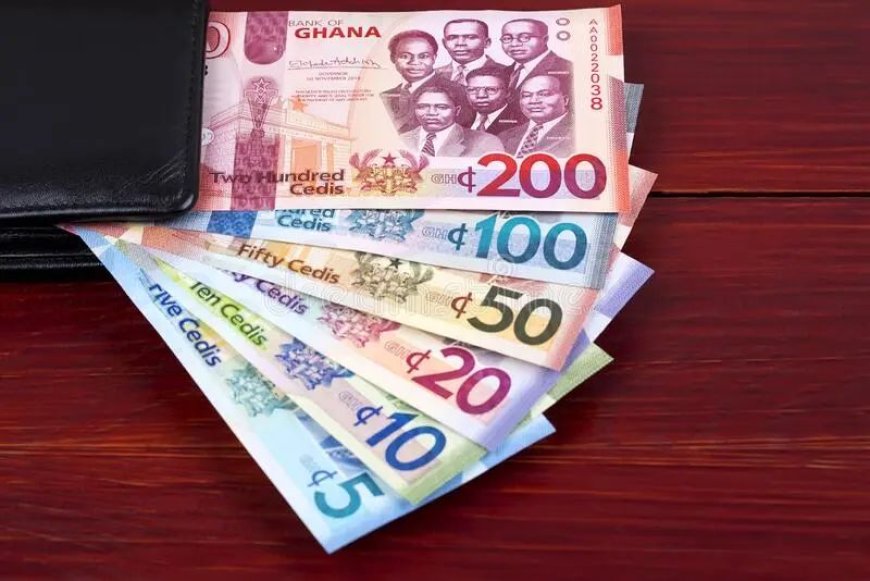


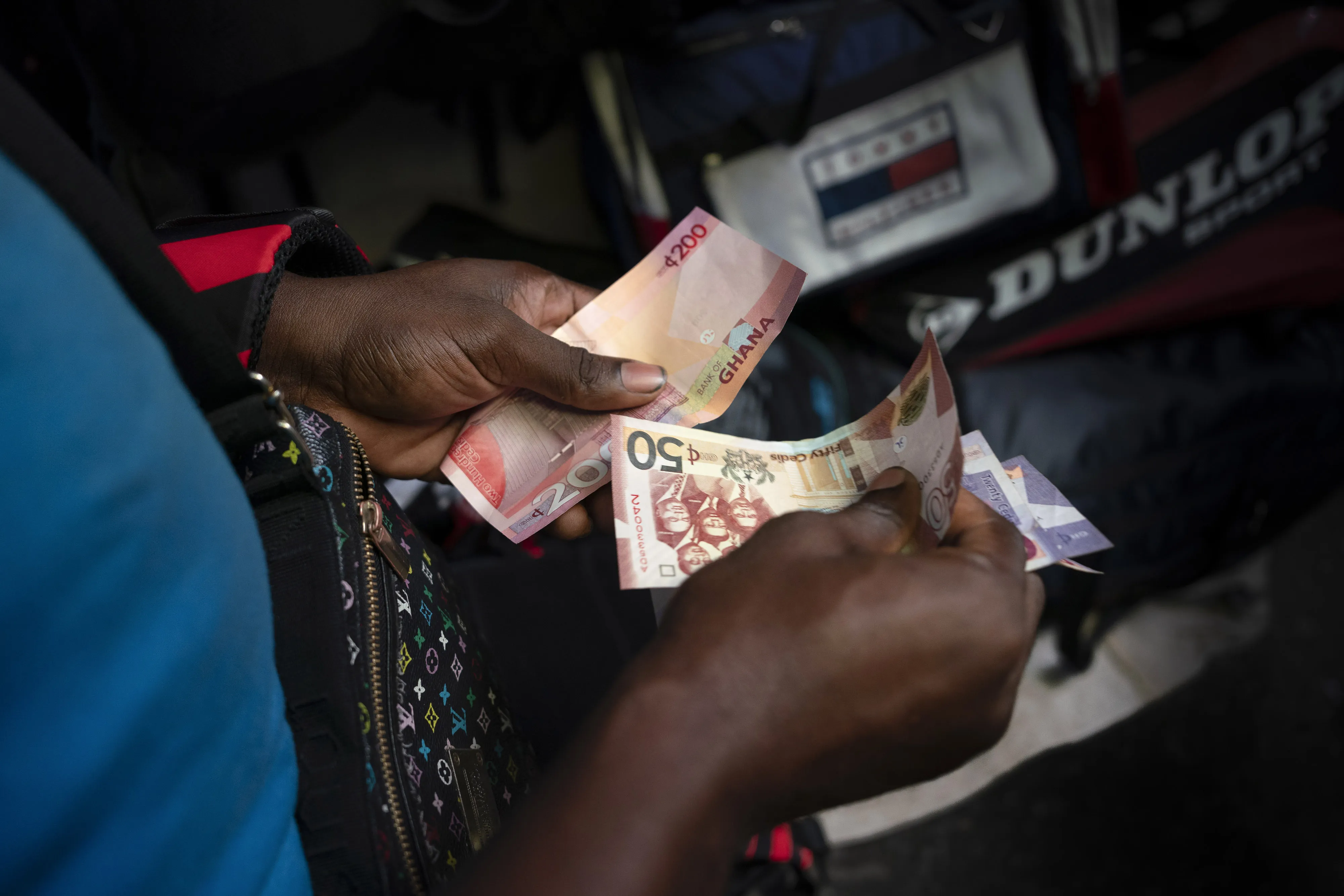
The Ghana cedi's impressive streak as the world's top-performing currency came to an abrupt end in the third quarter of 2025. A surge in demand for US dollars to settle import bills has put immense pressure on the local currency, causing it to depreciate by 13% against the greenback. This sharp decline has erased some of the cedi's earlier gains, which were driven by strong gold prices and positioned it as a global leader in the second quarter.
Factors Contributing to Cedi's Decline
- Import-Driven Demand: Ghana's import-dependent economy typically experiences increased demand for dollars toward the end of the year as businesses stock up for the Christmas season.
- Limited Foreign Exchange Supply: The Bank of Ghana's restricted supply of foreign currency has exacerbated the strain on the cedi, with banks receiving only partial fulfillment of their dollar requests.
- Gross International Reserves: Despite a three-year high of $11.1 billion in June, the central bank's limited intervention has failed to meet the demand for foreign exchange.
Impact on Ghana's Economy
The cedi's decline has significant implications for Ghana's economy, particularly for businesses and individuals reliant on imports. With the local currency trading at GH¢11.9507 per dollar, the increased cost of imports may be passed on to consumers, fueling inflationary pressures.
Bank of Ghana's Response
In response to the cedi's volatility, the Bank of Ghana has emphasized its commitment to maintaining orderly market conditions. "The cedi should be stable within a reasonable range," the central bank said, adding that its role is to ensure fluctuations reflect fundamentals and do not undermine confidence in the broader economy.
Global Performance Comparison
According to Bloomberg data, the Ghana cedi was the worst-performing currency globally in Q3 2025, with other notable decliners including:
- Ethiopian Birr: -4.1%
- Chilean Peso: -4.3%
- Dominican Republic Peso: -5.6%
- Botswana Pula: -7.7%
- Argentine Peso: -11.5%
- Ghanaian Cedi: -13.4%
Despite the recent losses, the cedi has still gained 23% year-to-date, underscoring the currency's volatility and the challenges facing Ghana's economy.
Credit - Bloomberg
What's Your Reaction?