










































Breakthrough in Premature Infant Care: Japan Develops World's First Artificial Womb
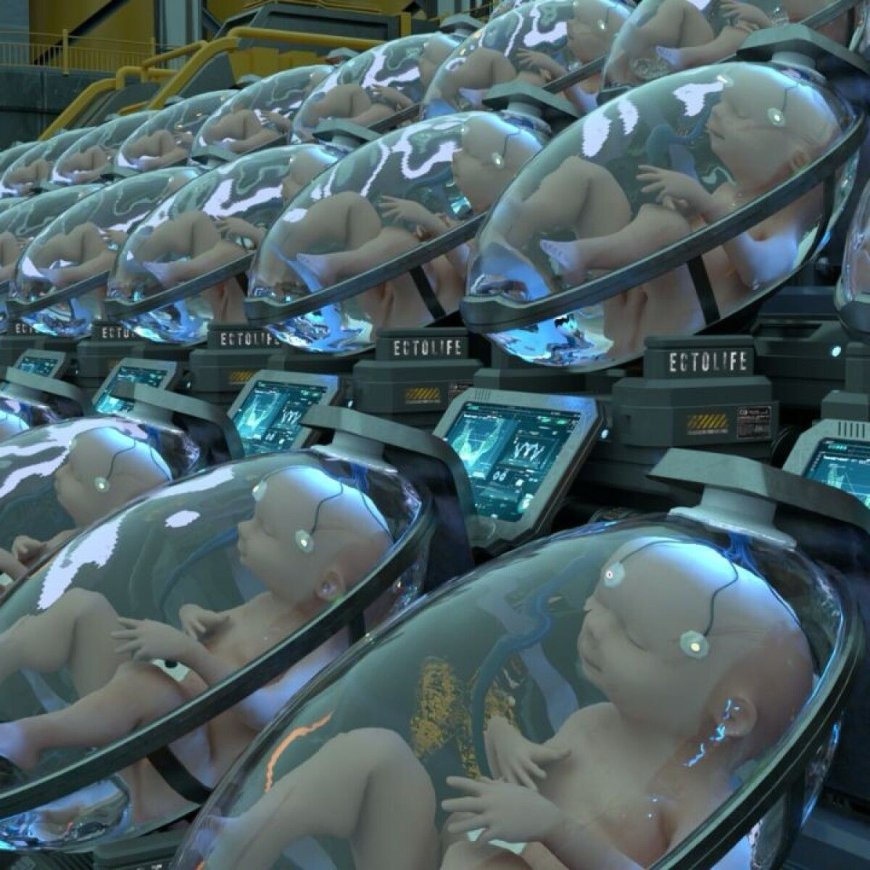


Japanese scientists have made a groundbreaking achievement in neonatal care by developing the world's first artificial womb capable of sustaining the growth of extremely premature human babies. This innovative technology aims to improve survival rates and long-term health outcomes for high-risk premature births.
The artificial womb is a fluid-filled capsule that mimics the conditions of a natural uterus, providing a protective and nutrient-rich environment for premature infants to continue their development. The system includes a temperature-controlled biobag simulating amniotic fluid,an oxygenation system mimicking umbilical cord blood exchange ,a nutrient delivery circuit supplying essential nutrients for growth,sensors and AI regulators monitoring fetal movement, heartbeat, and development in real-time.
If approved, this technology could revolutionize neonatal care, offering new hope to thousands of families each year. The US Food and Drug Administration (FDA) is preparing to assess the safety, effectiveness, and ethical implications of this technology, a crucial step before human trials or clinical use can begin.
Experts estimate that within 10 to 15 years, artificial wombs could be approved for partial use in neonatal care, particularly for extremely preterm infants. Full gestational ectogenesis, starting life from a fertilized egg to birth, will likely take longer and require significant ethical oversight.
The development of artificial wombs raises important questions about the future of reproduction, family structures, and societal values. As this technology advances, it may lead to new possibilities and challenges, including changes in family planning and reproductive choices, new forms of family structures and parenting and potential commercialization of gestation.
The artificial womb technology has the potential to transform the field of neonatal care, providing a life-saving bridge for premature infants and offering new possibilities for families. As this technology continues to evolve, it will be essential to address the ethical, social, and economic implications of its use.
Source:Graphic Online
What's Your Reaction?