





























UN Motion: Ghana Declares Slave Trade 'Greatest Crime Against Humanity'
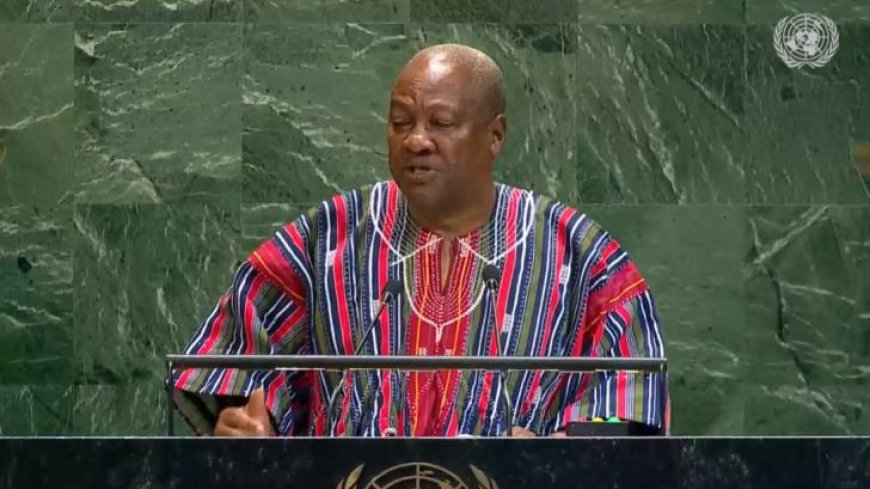


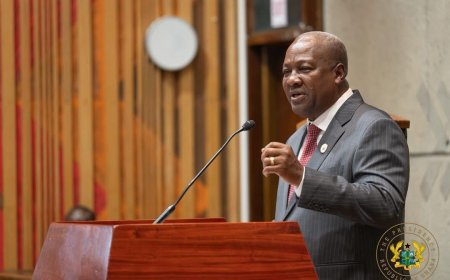
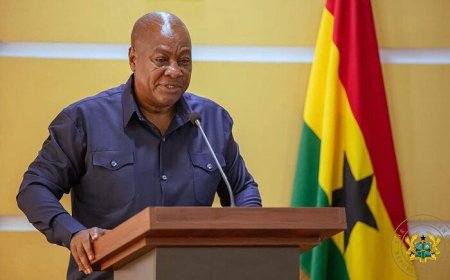
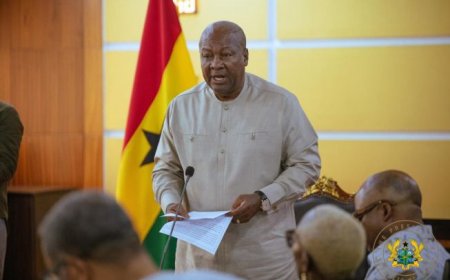
New York – September 25,2025 - Ghana's President John Mahama has announced that the country will table a motion at the United Nations to recognize the transatlantic slave trade as the greatest crime against humanity. Speaking at the 80th UN General Assembly, Mahama emphasized the need for the world to confront the full scale of the atrocity and its enduring legacy.
The motion, which Ghana will introduce, aims to acknowledge the suffering of Africans during the slave trade and provide reparations for descendants of the enslaved. Mahama described the slave trade as an "indelible stain on humanity's conscience," echoing UN Secretary-General António Guterres' sentiments.
Ghana's motion seeks to formally acknowledge the transatlantic slave trade as one of the greatest crimes against humanity, emphasizing its devastating impact on African communities and its lasting legacy. The motion calls for recognition, accountability, and reparative measures for descendants of the enslaved, highlighting the need for justice and healing.
Mahama urged world leaders to support the motion, emphasizing the importance of global cooperation in addressing the ongoing impacts of slavery and racism. The push for recognition and reparations is part of a broader movement gaining momentum among African and Caribbean nations.
Some countries, including Nigeria, Senegal, and South Africa, have already expressed support for the idea of a UN tribunal or reparations framework. António Guterres has emphasized the need for reparatory justice frameworks grounded in international human rights law, developed with the participation of affected communities.
The African Union is developing a white paper on what reparations might look like, with some countries advocating for individual payments, debt cancellation, or support for public health and economic crises. The Caribbean Community (CARICOM) has proposed a plan for reparations, including support from European nations to tackle public health and economic crises.
The motion is expected to spark a significant debate at the UN, with some countries potentially resisting the idea of reparations. However, with growing support from African and Caribbean nations, the push for recognition and accountability for the slave trade's atrocities is gaining momentum.
Source – Lead News Online
What's Your Reaction?