





















The Problem with Pretending: Ghanaian Lawyer on Online Relationship Advice


Before I proceed to express my profound caution and personal astonishment regarding a recent discovery, I must establish my position with absolute clarity.
I am a UK-trained human rights lawyer who has consistently and publicly championed the rights of the LGBTQ+ community in Ghana. My advocacy has been so vocal that public figures like Afia Schwarzenegger have publicly speculated that I must be gay myself.
I count numerous gay individuals amongst my friends and clients. Beyond my legal duty, I hold a fundamental belief that it is a basic human imperative to love one another and to afford every individual the autonomy to define their own sexual orientation, provided it exists within the bounds of the law—a point which, in Ghana, remains a subject of complex legal debate.
Having travelled to 56 countries, my worldview has been irrevocably shaped by exposure to a vast spectrum of human experience. This places me in contrast to many of my more myopic compatriots in Ghana, whose perspectives are often confined within the four walls of their own compounds, untested by meaningful interaction with people of different creeds, orientations, and preferences.
Consequently, I am arguably one of the most prominent and unequivocally pro-homosexual voices you will encounter within the Ghanaian social media landscape.
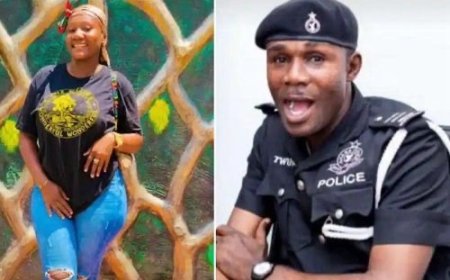
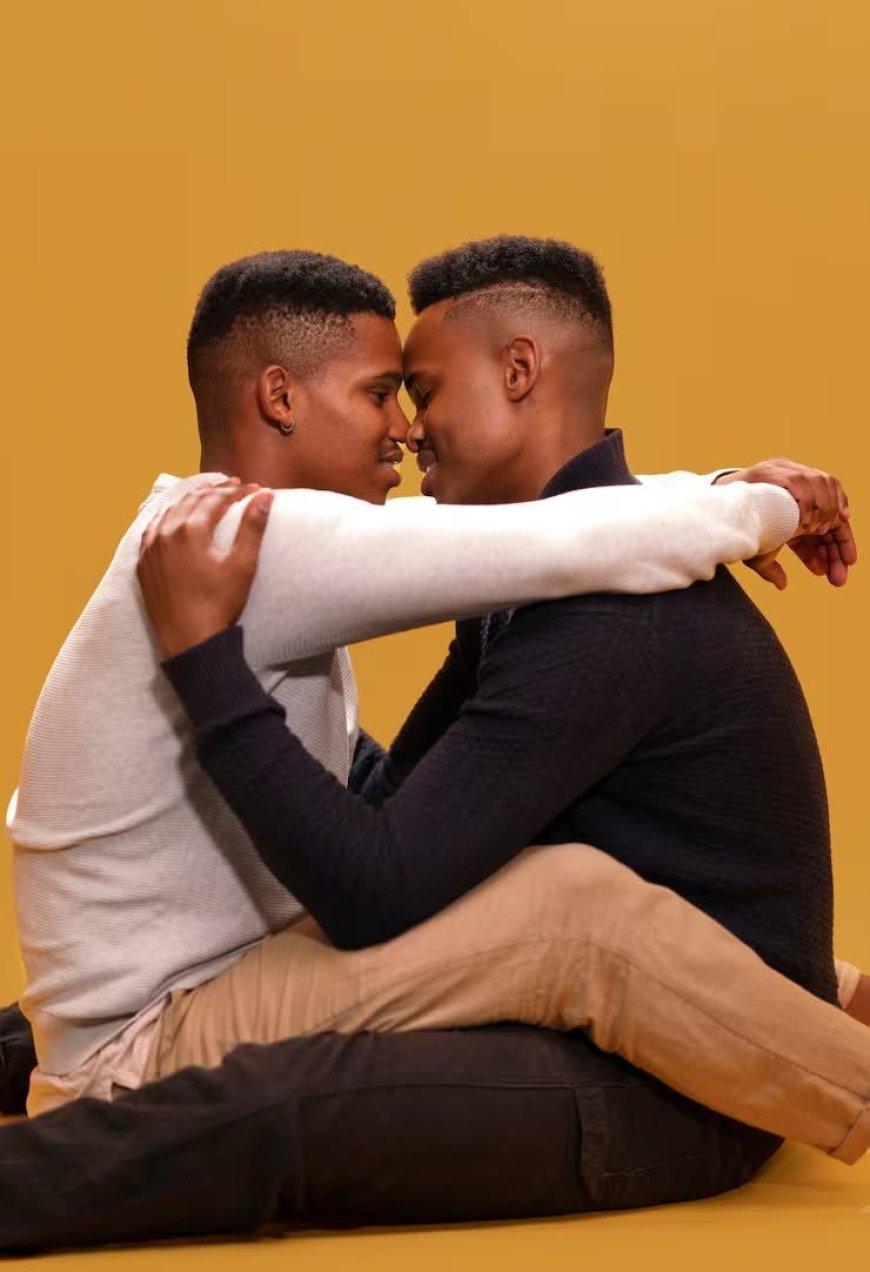
With that established, I must confess to being both shocked and deeply concerned by the revelation that a popular Ghanaian figure on Facebook, who has built a platform focused on advising women about relationships with men, is himself gay.
This discovery forces one to question his underlying motive and, more fundamentally, his capacity to genuinely understand the dynamics he purports to guide others through. If he has no intimate dealings with women, how can he claim authority on heterosexual relations?
To illustrate the absurdity, consider this: it would be akin to a white man creating an online persona as a black man for the purpose of advising black men on issues specific to their lived experience. How genuine could such counsel possibly be?
The core of the issue is one of experiential authenticity. A heterosexual relationship is a distinct ecosystem with its own unique complexities, emotional currencies, and social pressures. It is fundamentally different from a man-man or woman-woman dynamic. Without first-hand experience in navigating the specific challenges, compromises, and nuances of dating the opposite sex, how can one justifiably position themselves as an unofficial authority, dispensing advice to women on how to manage their relationships with men?
Dating a woman is not the same as dating a man. The emotional landscape, communication styles, and societal expectations are profoundly different. This is not a matter of opinion, but of lived reality.
To employ another analogy: imagine discovering that an influential pastor, from whom you sought spiritual guidance on attaining heaven, was in fact a staunch atheist. The betrayal of trust and the fundamental lack of authenticity would be staggering.
I cannot fathom the motive behind a gay man pretending to be heterosexual online to advise heterosexual couples. It suggests a disconcerting agenda that has little to do with genuine help.
Unless you have dated the opposite sex, there are facets of the dynamic you cannot comprehend. I would never presume to call myself an authority on advising gay couples, as I have never dated a man and therefore lack the requisite lived experience.
On this note, I would like to encourage you all to exercise extreme discernment. Be meticulously careful about whom you read and from whom you take relationship advice on the internet. Scrutinise the source. Authenticity is not a luxury in this realm; it is the very foundation of credible counsel.
Credit - Chris-Vincent Agyapong
What's Your Reaction?