

























Solidarity or Scrutiny? Sophia Akuffo's Defense of Torkornoo Raises Eyebrows
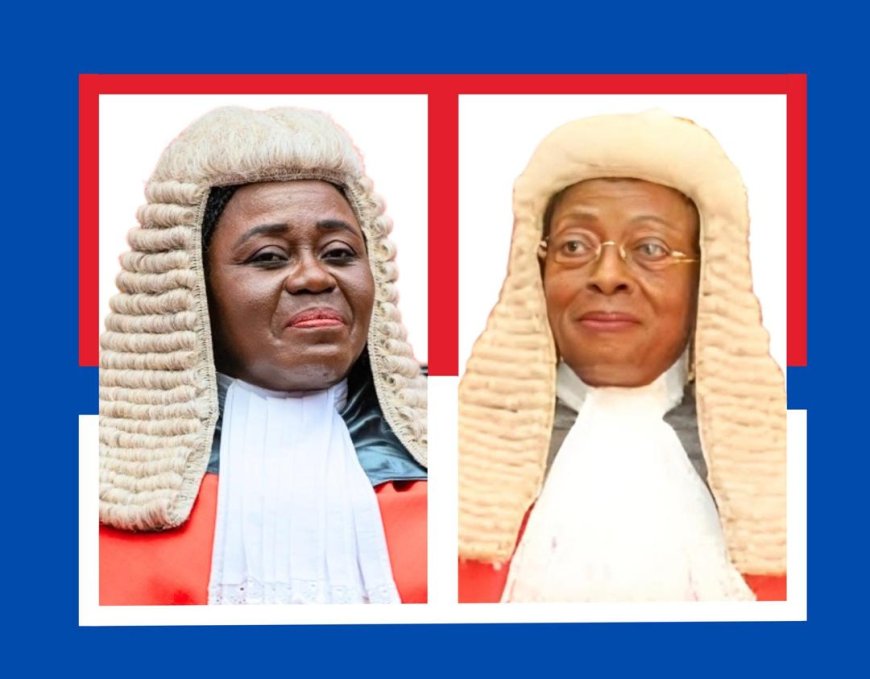


The audacity of the former Chief Justice is something to behold. One might mistake it for courage if it did not so often walk hand in hand with convenience.
Here is Gertrude Araba Esaaba Sackey Torkornoo, suspended under Article 146 and removed by presidential decree, now before the ECOWAS Court. Her claim? The Attorney-General failed to file a response on time. When the evidence is damning, summon procedural loopholes. Classic.
But the plot thickens. She actually sued Ghana at the ECOWAS Court even before the final verdict of her removal was reached. In that suit, she demands nine specific reliefs, notably including a staggering USD 10 million in compensation for moral and reputational damages.
So what is really on trial here: substance or procedure? In Accra, 10,000 pages were examined, witnesses cross-examined, and a recommendation sealed. All that, yet Ghana’s plea in Abuja is not about evidence, but about timing.
Does ECOWAS override Ghana’s Constitution? No. ECOWAS may advise or chide, but the gavel remains in Accra, not Abuja. Sovereignty is not a franchise agreement.
Deputy Attorney-General Justice Srem-Sai made it plain: the removal followed constitutional steps and conformed with the law. His statement provides a legal anchor in a storm of partisan chatter, reminding us that the law, not theatrics, should guide outcomes.
Former Chief Justice Sophia Akuffo chimed in, calling the process a “rigmarole” and arguing that the allegations lacked sufficient gravity to remove the Chief Justice. Perhaps she leaned on solidarity from three fronts: both women, both old students of Wesley Girls’ High School (WeyGeyHey), and both former occupants of the nation’s highest judicial seat. But justice is no sisterhood pact. Her intervention cracked open its own revelation — that she, Sophia Akuffo, allegedly once acquired a prized Cantonments land for just GHS 7,000. The shield of solidarity quickly became a mirror, reflecting back questions about her own record. Irony, indeed: hers cuts far too close to the bone.
So is this justice, or drama staged by law’s theatre? When the Constitution shuts the door, perception sets up shop in the foyer. Maybe this is a last-ditch procedural gambit, hoping to distract from deeper misgivings.
But Ghana remembers. We recall controversies, divisions, and a judiciary tested before. ECOWAS can hand down a verdict, but public memory remains untouchable.
The judge has been judged. The landlord is now the tenant. The pestle has been pounded.
The law is the law.
But we must ask ourselves: did the law bite hard, or did cronyism sharpen the blade?
Credit - Kay Codjoe
What's Your Reaction?