

































The Power of Words: How Effective Communication Can Make or Break a Government



Communication is both a skill and an art of leadership. It is not merely about speaking; it is about thinking, planning and influencing. It is also about strategy and substance, branding and storytelling, credibility and connection.
How else can a leader inspire trust, if not through the power of words, delivered with wisdom and purpose? You see, experience sharpens communication; learning refines it and humility sustains it. For even the most gifted orator must remember that words, once spoken, cannot be retrieved and once misunderstood, cannot easily be repaired.
Some say that the opposition’s spokesperson has an easier task than the government’s communicator. But is that really true? Both roles demand research, tact and emotional intelligence. However, in government, every word carries the weight of authority. Every statement can impact markets, shape public sentiment, or stir controversy. That is why communication in government is not just delicate – it is decisive.
Moreover, in government, time is of the essence. Information must be shared swiftly yet wisely, accurately yet sensitively. Even the most harmless act can be painted as a grave mistake.
How, then, does one communicate effectively under such scrutiny? By mastering the art of nuanced candor: speaking with firmness, but also with empathy. By ensuring that transparency and restraint walk hand in hand, and that your indignation, however justified, is measured and disciplined.
Credibility and integrity are the twin pillars of public communication. It is imperative that government be intentional, not impulsive. Every message must be deliberate, clear and timely. Newsworthy information should not surprise the public; instead, it should prepare them. Events must be announced early, and updates provided with facts, data and clarity. Because when truth is delayed, misinformation fills the vacuum.
The attitude of government, the tone of its leaders and the posture of its institutions must reflect the dignity and aspirations of the nation. Words are not merely sound; they are signals of leadership. When leaders speak with arrogance, they lose trust; when they speak with humility, they win hearts.
In government, mistakes – no matter how minor – are amplified. A single misstep can overshadow months of progress. As Felix Kwakye Ofosu often says, sometimes silence is golden – especially when no justification exists. But bear in mind that silence must not become complacency; it must be a pause for reflection and not a substitute for accountability.
It is easy, as scripture tells us, to see the speck in another’s eye and miss the log in our own. Whether in power or opposition, communication remains the oxygen of leadership.
Ask yourself: How will your words inspire confidence? How will your message convey the vision of your government? How will your silence – or your speech – shape the nation’s mood?
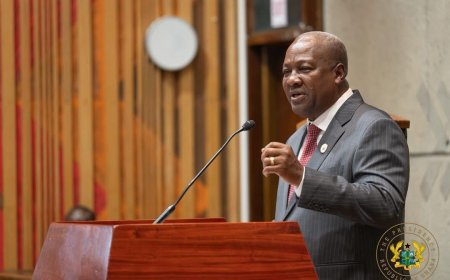
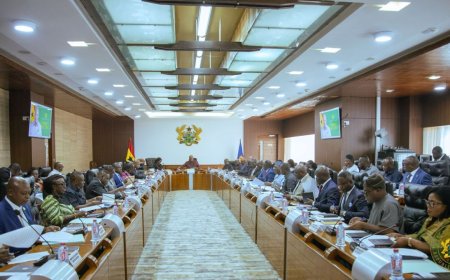
How policies are explained and executed determines whether people believe in your leadership or doubt your sincerity. When governance inspires hope, optimism and belonging, as we are witnessing under the John Mahama–led NDC government, people rally behind their leaders. When the President and Vice President lead with humility, respect and accountability, communication ceases to be a battle; it becomes a bridge.
In my years within and outside government, I have learned a simple truth: one’s message is only as credible as the messenger. Words carry power, but character gives them meaning. Before you speak, ask yourself: will this enlighten or inflame? Will it inform or mislead? Will it unite or divide? For once the words leave your lips, they will be weighed, interpreted and sometimes weaponized and used against you.
The passion that fuels opposition may not serve you in government. In fact, the outrage that once earned applause may now attract rebuke. For the public will remind you: “That is why we voted for you.”
Therefore, a government must be firm but fair, honest but humble, transparent yet strategic. Leadership must not only speak truth – it must speak it gracefully. The governed may not always be right, but their perceptions always matter. And so, the king must follow the rules; the leader must respect the led.
As James Humes, the great American speechwriter, once said:
“The art of communication is the language of leadership.”
Indeed, leadership lives or dies by communication. Words can inspire nations, or they can divide them. So, speak with truth, act with purpose and lead with clarity. For in the end, the measure of your leadership will not only be in what you did, but in how you made people understand it.
Credit - The writer ,Joyce Bawa Mogtari is the Special Aide to President John Dramani Mahama
What's Your Reaction?