























NPA's GH₵291 Million Scandal: A Tale of Industrial-Scale Sanctification of Greed


Suro Nipa: There are scandals that nibble at the edges of public outrage, and there are those that gulp the nation’s conscience whole. The National Petroleum Authority (NPA) scandal belongs to the latter. Fifty four charges. Ten accused. Two currencies. Nearly GH₵291 million and US$332 thousand allegedly siphoned from the veins of Ghana’s petroleum system.
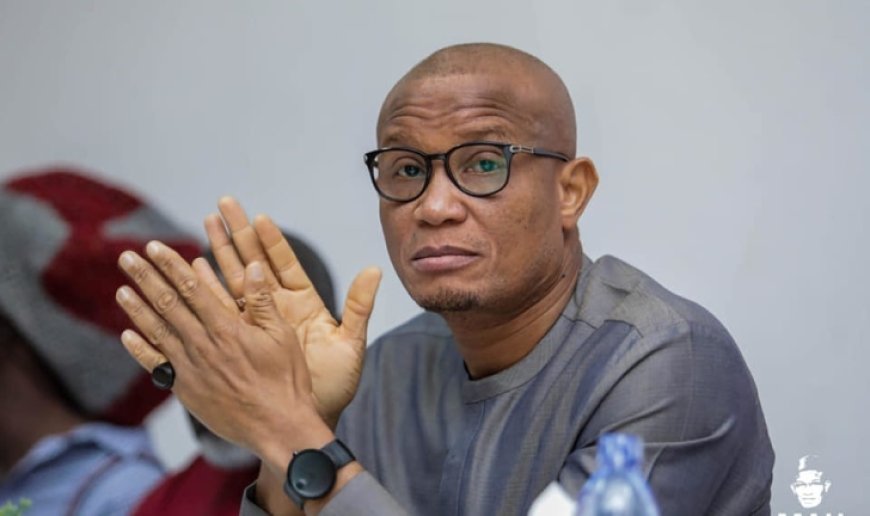
At the centre sits Dr Mustapha Abdul Hamid, former NPA Chief Executive, once the president’s scholar turned preacher of moral politics, now recast in the dock of public accountability. He has held several high-profile public offices, including Minister for Information and Minister for Inner City and Zongo Development under the New Patriotic Party (NPP) government. The Office of the Special Prosecutor says he and his circle turned regulation into a racketeering altar, extorting oil transporters and marketing firms, then laundering the offerings through front companies and property deals that gleamed cleaner than conscience.
The OSP’s charge sheet is damning, a catalogue of alleged collusion and corruption that reaches deep into the NPA’s command structure, naming ten accused in what has become one of Ghana’s most audacious corruption sagas. They are Dr Mustapha Abdul Hamid, Jacob Kwamina Amuah, Wendy Newman, Albert Ankrah, Isaac Mensah, Bright Bediako Mensah, and Kwaku Aboagye Acquaah, all senior NPA officials, together with Propnest Limited, Kel Logistics Limited, and Kings Energy Limited.
These individuals and entities stand jointly accused of extortion, corruption, abuse of office, and money laundering involving over GH₵291 million and US$332,407, allegedly extracted from oil marketing and transport firms under the guise of official duties. Each is a character in the choreography of concealment. When investigators followed the scent of diesel, they found mansions, apartments, and land titles blooming like fuel stations across the city.
This is not petty thievery. It is industrial scale sanctification of greed. The same NPA that was meant to protect consumers from predatory pricing allegedly became the predator itself. Tankers rolled, receipts were signed, money changed hands, and in the name of oversight, oversight died.
Dr Mustapha Abdul Hamid, the man who once lectured on ethics and governance, now stands accused of turning virtue into veneer. He was the face of a generation that preached integrity as policy and built its politics on the promise of moral renewal.
More than GH₵100 million worth of trucks, fuel stations, and real estate are under seizure, yet the moral debt may never be recovered. We have perfected a republic where every regulator becomes a retailer of influence, and every reformer eventually reforms his own fortune.
Today, the courtroom was silent and vacant. Justice Mary Ekue Yanzuh, the trial judge, had been elevated, leaving the bench empty and the case adjourned to November 13. Outside, defence lawyer Akbar Yussif Rohullah Khomeini lamented that the OSP’s “surprising” amendments had reset the process. “We are back to zero,” he said. That phrase could summarise Ghana’s entire fight against corruption. Each new scandal drags us into a ritual of shock, denial, and adjournment until justice itself gets fatigued.
For the ordinary Ghanaian, every scandal feels like déjà vu on repeat. Salaries shrink, taxes rise, yet a few turn governance into a personal oil well. The people are learning to stop being shocked, and that, perhaps, is the deepest wound of all.
If the NPA, the very artery of national energy, could be drained by those sworn to regulate it, then the rot is systemic, not episodic. We are no longer witnessing isolated wrongdoing; we are documenting the habits of power. The numbers may be specific, but the story is familiar: official duty becomes disguise, accountability becomes performance, and the Republic bleeds by direct debit.
And yet, the process is still in motion. The OSP continues its work, and the courts remain the place where truth will be tested. Justice may move slowly, but it must move still.
We call it governance. But this time, it must mean something more than ceremony. It must mean cleansing, restitution, and reform. Only then will power stop drinking from the pump and start fueling the people it was meant to serve.
Credit - Kay Codjoe
What's Your Reaction?