




















A Life in Rhythm, A Death in Question: The Daddy Lumba Enigma
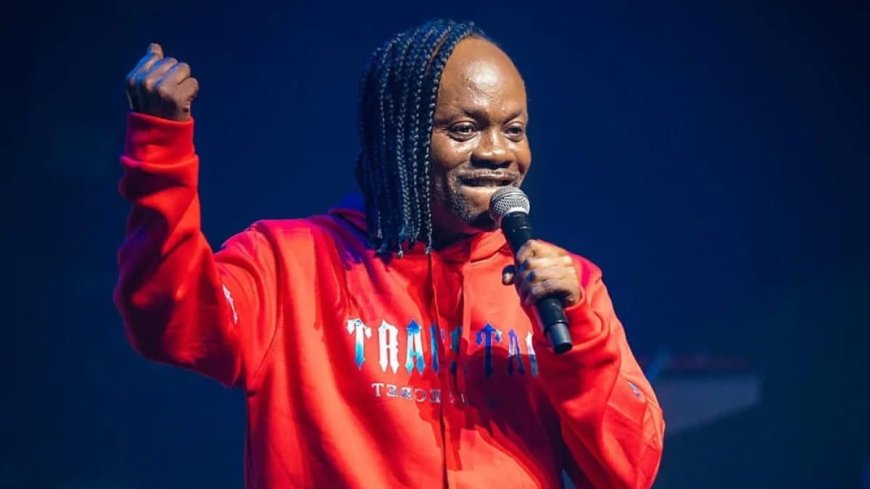


Makra Mo: When a legend dies, all his secrets go with him; it’s his legacy that doesn’t. And in that echo, we find him, Daddy Lumba, the man who sang his own eulogy long before death came calling.
“Moahunu me nnɛ yi, momma yɛnyɛ nea yɛbɛyɛ biara,” which translates as, You have seen me today; let us do whatever we can. Those words, now prophetic, hang heavy in the air as Ghana mourns the man who knew that genius often walks hand in hand with goodbye.
Makra Mo was never just a love song. It was a curtain call wrapped in melody, a man rehearsing his own demise while the world danced. He told us, “Matumi aba wo nkyɛn na ɛsɛ, ma yɛmfa mmronsa nyɛ nsuo o,” that is, I have been able to come near you, so let us not turn wine into water. He knew what we didn’t, that joy must be seized before it evaporates into regret.
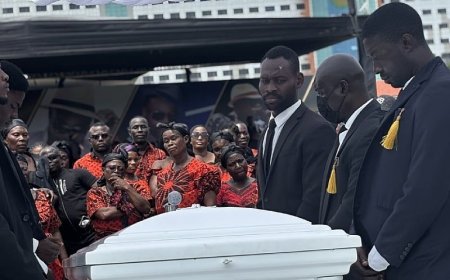
Now, as tributes flood the airwaves, the same people who once mocked his reinventions and dissected his controversies are the ones weeping loudest. But he warned us: “Moba na sɛ mawu da hɔ a, ɛmma monsu mmma me. Monsu mma mo ho ne mo mma,” which means, When you come to see my mortal remains, do not weep for me; cry for yourselves and your children. Yet Ghana, true to form, mourns in debate, distorting legacy instead of memorializing it, sensationalizing grief instead of sanctifying it.
Even in death, Daddy Lumba refuses simplicity. The same fire that made him revolutionary now fuels division. Was he too proud? Too daring? Too human? That was Lumba’s gospel, imperfection as artistry. He sang of heartbreak, desire, betrayal, and redemption, baptizing generations in truth.
When he sang, “Yɔnko pa bi sene onua o,” he meant, A good friend is better than a brother, he was speaking to us, to those who abandoned him when tabloids feasted and critics jabbed. It was also about the people who stayed, the ones who stood by him when love and loyalty became public trial.
Listen again: “Owuo yɛ dea nka yɛwu ma a, m’adɔfoɔ bi bɛwu abɛgye me,” which translates as, If death belonged to humans, and we could die for others, loved ones would die for me. He foresaw this, the weeping, the headlines, the desperate reaching for meaning. But in that same verse, he surrendered: “Ɛnyɛ nea mepɛ, Agya nea wopɛ ara na ɛnyɛ hɔ,” which means, It is not what I want, Father, but what You will. He knew what few artists ever do, that legacy is not what you leave behind, but what continues singing after you stop.
Then came that timeless line that reinforced another angle of his legacy:
“Mede me maame Ama Saah gyaa mo … ɛmma mo werɛ nfiri Akosua Serwaa da, na wabrɛ,” meaning, I leave you with my mother, Ama Saah, and the family … never forget Akosua Serwaa; she is weary.
“Ah, Kwaku Pɔn wo ne me mma nyinaa, Faustina Fosu ei, ne Akosua Brempomaa o, Moyɛ no saa a mɛyɛ ɔsaman twɛntwɛn, Mabɛgyina kurotia asu dabiara Charles ei,” which translates as, Kwaku, you and all my children, Faustina Fosu and Akosua Brempomaa, if you forget, I’ll become a restless ghost, roaming, crying every day, Charles ei.
He was not just calling names; he was reaching across time to the woman whose love, loss, and endurance shaped both his art and his ache. In that single mention of his wife Akosua Serwaa lay an entire autobiography, the exile, the heartbreak, the reconciliation that never came. To her, and perhaps to every woman who ever loved an artist and lost him to the stage, he left an unhealed promise. Ghana remembers Aben Wo Ha, but Makra Mo was his testament and her requiem.
He would later sing one of his old classics, Odofo Pa Ama Ntem, meaning “True love never delays.” It was performed in honor of a woman known to many as Odo Broni, the partner who lived with him until his final days, whom he celebrated on stage at his 59th birthday. Today, that relationship has become the subject of a court case. Akosua Serwaa, his legally married wife under the Marriage Ordinance, is suing his family and others, claiming that a traditional marriage was wrongly treated as if it could exist alongside her lawful one. But Ghana’s law is clear: once a man marries under the Ordinance, any later customary marriage is void ab initio, to wit, it has no legal effect and constitutes bigamy. In death, as in life, Lumba stands where love, law, and legacy meet, a living metaphor of how the heart and the law often clash.
The vultures circle, just as he once predicted: “Mo mma me wuo akyi yi nsesa,” which means, Do not let my death change my legacy. But Ghanaians are never still when a giant falls; they argue, they bargain, they build altars of gossip. And through it all, the real Lumba, Charles Kwadwo Fosu, rests above the noise, finally free from the misunderstandings that shadowed his brilliance.
He sang all the contradictions that make us human.
“Na makra mo, ebia na moanhu me biom da,” signifying, I bid you farewell; perhaps you’ll never see me again. But we will, Lumba. Every time a song becomes truth, every time love wrestles with law, every time art outlives the flesh, we will see you again.
Credit - Kay Codjoe
What's Your Reaction?