




































Mali Imposes $10,000 Visa Bond on US Visitors in Tit-for-Tat Move
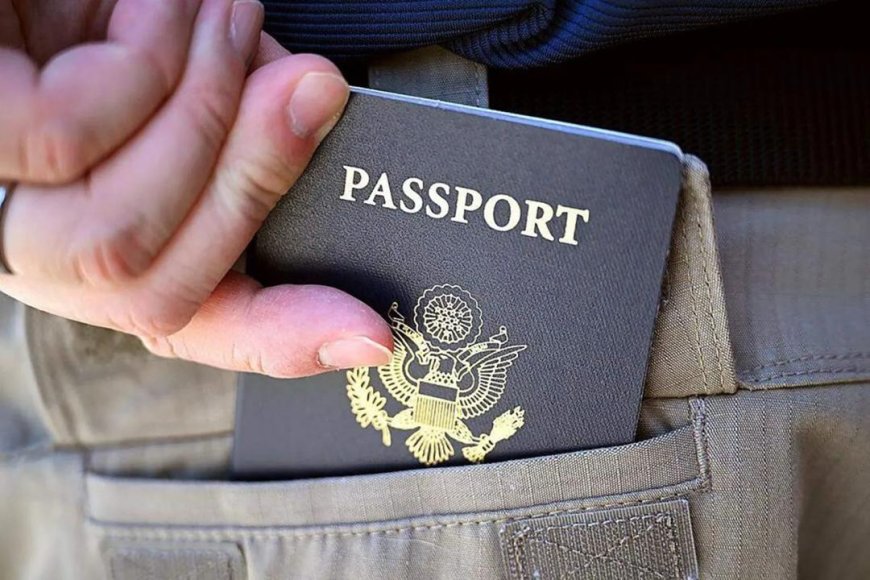


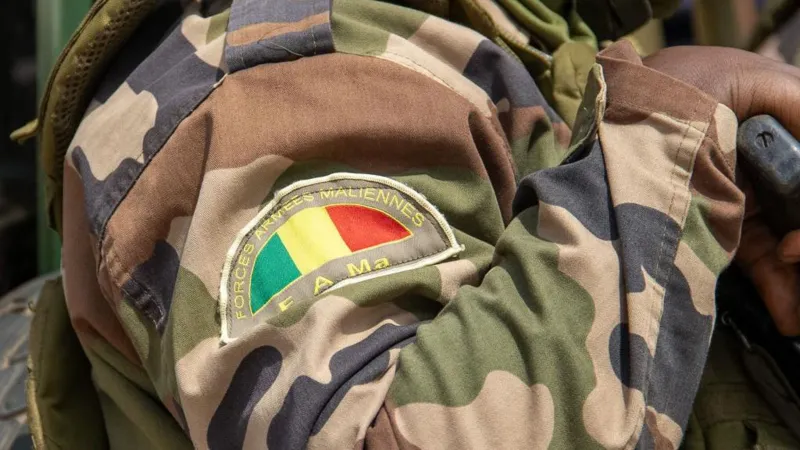
Mali has imposed a visa bond requirement of up to $10,000 on US citizens visiting the West African country, in a reciprocal move following similar requirements imposed by the US government on Malian nationals. The new measure, announced by Mali's Foreign Ministry, aims to mirror the US policy, which demands bonds of $5,000 to $10,000 from Malian travelers seeking business or tourist visas.
The US Embassy in Mali stated that the fee was introduced to reinforce Washington's "commitment to protecting America's borders and safeguarding US national security". However, Mali's government has condemned the move as a violation of bilateral agreements, citing a 2005 accord that guarantees long-term visa access between the two nations.
The tit-for-tat move highlights escalating tensions between the US and Mali, with the latter pivoting towards Russia in a bid to stem a growing insurgency by jihadists. Mali's military government has expelled French troops and brought in mercenaries from Russia's Wagner group, now replaced by Africa Corps.
The visa bond requirement is part of a broader US policy targeting nations with high visa overstay rates. Mali is among seven African countries facing the bond requirements under a year-long pilot scheme. Other affected countries include Mauritania, Sao Tome and Principe, Tanzania, Gambia, Malawi, and Zambia.
US citizens visiting Mali will now be required to pay a bond of up to $10,000, which will be refunded if they depart the country on time. However, the bond will be forfeited if visitors overstay their visas or apply for asylum. Consular officers will determine individual bond amounts based on applicants' circumstances.
Mali's Foreign Ministry has stated that the country is interested in "fruitful cooperative relations" with the US but will apply the same financial barriers to US passport holders under the principle of reciprocity. The ministry emphasized that Mali "has always collaborated with the United States of America in the fight against irregular immigration, with respect for law and human dignity".
Credit – BBC News
What's Your Reaction?