


















"Justice or Just Us?" - Ghana's Judiciary Under Fire
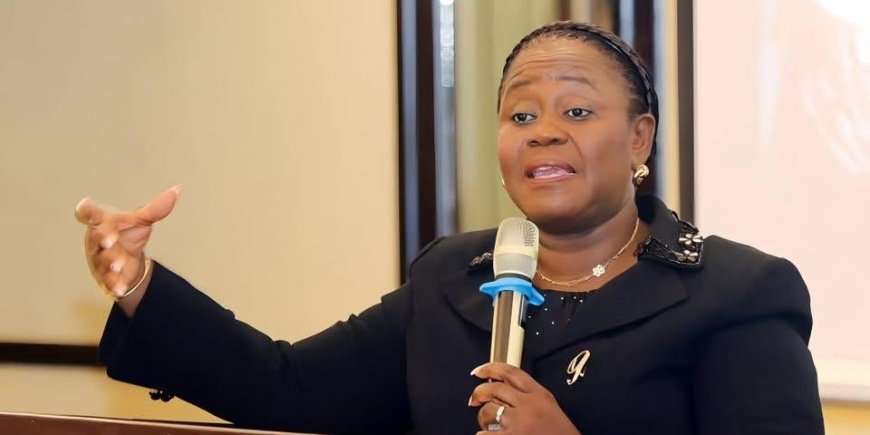


When a Chief Justice stands accused, it is not only her name on trial. It is the very soul of justice in Ghana. The gavel that once silenced the courtroom now trembles with questions from the streets, from trotro stations, from homes where ordinary people wonder whether the law still belongs to them.
This week, the familiar wigs returned. Sophia Akuffo, Anin Yeboah, Jones Dotse, and others gathered, not to cross-examine evidence, but to vouch for one of their own. They told us this is how things have always been: a Chief Justice travels, assigns cases, recommends judges. Routine, they said. Tradition, they said. But out there, in the minds of the people, it does not sound so simple.
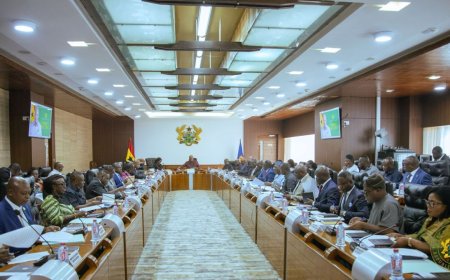
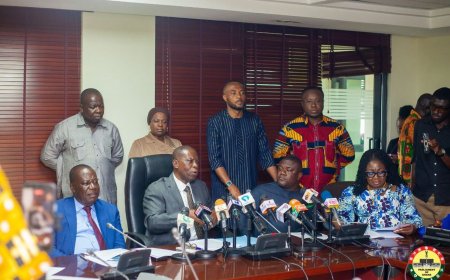
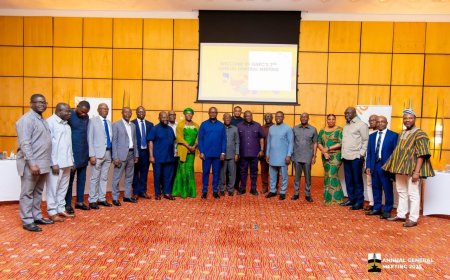
The Article 146 hearings have become a stage for Ghana’s legal royalty. Former Chief Justices Sophia Akuffo and Anin Yeboah, Justice Jones Dotse, Nana Dr. S.K.B. Asante, Samuel Okudzeto, and leaders of the Ghana Bar Association appeared voluntarily to defend Gertrude Torkornoo, insisting her actions were routine duties of the office, not misconduct.
For many Ghanaians, these are not neutral figures. They are remembered for presiding over moments when justice felt distant, when election petitions disappeared into legal technicalities, when whole communities like SALL were left without a voice in Parliament. These memories are not footnotes; they are scars. And now, some of the very people accused of bending the scales of justice yesterday are standing up as character witnesses today.
It is hard to ignore the unease. It feels less like a defense of the Constitution and more like a family gathering of the old guard, a club of robes protecting its own. The public sees it, feels it, and whispers it aloud: is this loyalty to justice or loyalty to party lines?
Every Ghanaian knows the pain of standing in a queue at dawn for water, only to watch a protocol line jump ahead. That is how many now feel about the judiciary, protocol justice, reserved for a few. And when the big names step forward to defend the Chief Justice, it deepens the suspicion that the system works for them, not for us.
This moment is bigger than Gertrude Torkornoo. It is about whether our courts can finally free themselves from the invisible strings of politics. Whether we can ever believe again that the black coat and the white wig stand only for justice, not for NPP or NDC.
If those who are accused of undermining the judiciary’s independence are the same ones now vouching for her, their testimonies add weight, yes, but the weight of confirmation, not credibility. Confirmation that the judiciary has become a cage of partisanship. Confirmation that the people’s mistrust is not paranoia, but lived reality.
Ghana does not need judges who are loyal to presidents past or present. Ghana needs judges who are loyal to the people. And the people, tired of being told to trust the system, are now asking the only question that matters: can the courts still be trusted?
The committee investigating the Chief Justice owes us more than a verdict. It owes us proof that accountability is still alive, that robes do not mean immunity, and that justice is still our last refuge. Because if the people lose that belief, if they fold their arms and turn away, then justice itself will stand alone in the dock.
Until then, the robes gather, the testimonies pile high, and ordinary Ghanaians watch in silence, wondering if what they are seeing is justice or just us.
Credit - Kay Codjoe
What's Your Reaction?