





































Is Africa's youth the world's new cheap labour?
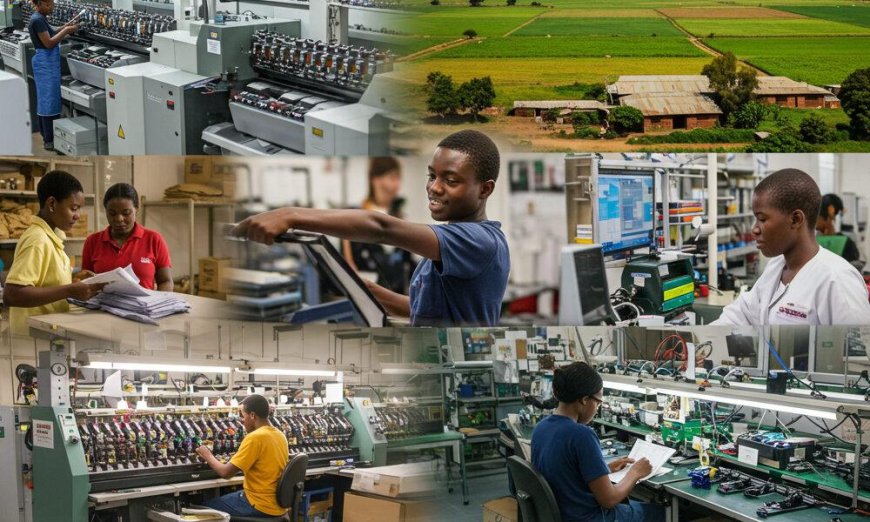


Across the continent, Africa’s youth are increasingly being tapped to support the global digital workforce working as virtual assistants, coders, content creators, and remote support staff for companies based in the West.
These young people are smart, ambitious, and capable. But despite their contributions, they are often paid far less than their Western counterparts for doing the same work.
With youth unemployment reaching crisis levels exceeding 50% in some countries many young Africans take on these underpaid roles simply to survive. The lack of better economic alternatives has made the continent a convenient source of cheap remote labour.
Many of these workers are fully aware they’re being underpaid, but with few other options, they accept roles that offer no job security, no benefits, and no long-term prospects. Their labour powers the digital systems that millions of people rely on every day yet they themselves remain invisible and undercompensated.
Some companies go even further in their exploitation. In what are meant to be job interviews, young applicants are sometimes asked to complete real assignments or tasks—only to receive no feedback, no payment, and no offer. After contributing meaningful work, many are simply ignored or sent a generic rejection email.
Even among Africa’s growing class of digital content creators, inequality is evident. While producing high-quality content that gains global reach, many are excluded from earning opportunities available to creators in Europe or North America. Companies often cite “technical limitations” or claim that payment systems don’t work in Africa.
Some African governments have begun to take action. In Kenya, a high-profile lawsuit revealed the poor treatment of workers by an outsourcing firm serving a major international platform. The case drew international attention and marked a significant challenge to unfair labour practices.
Ghana and Nigeria are also taking steps. Both countries are drafting policies aimed at regulating digital labour and protecting the rights of remote workers and freelancers.
Africa’s youth population is its greatest asset. With more than 250 million young people, the continent has the potential to drive the world’s next wave of growth and innovation. But this potential is being stifled by a lack of opportunity.
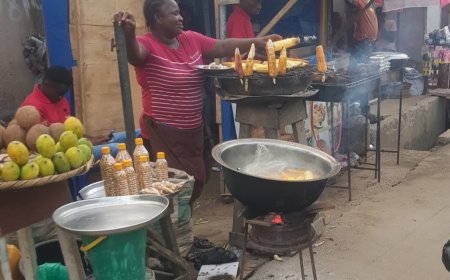
Every year, between 10 and 12 million young Africans enter the job market, yet only about 3 million formal jobs are created. This leaves the majority either unemployed or forced into the informal economy often in low-paying, insecure jobs with little room for advancement.
A recent Afrobarometer study, conducted across 34 African countries, found that unemployment was consistently identified as the most pressing issue by citizens. Young people, particularly those aged 18 to 35, overwhelmingly cited joblessness as the top challenge their governments must urgently address.
To fully benefit from its youthful population, Africa must find ways to expand access to fair and sustainable economic opportunities. While remote digital work offers a potential pathway for employment, concerns around compensation, job security, and equitable treatment continue to surface.
This story is written and edited by the Global South World team, you can contact us here.
Source - Believe Dumor/Global South World
What's Your Reaction?