


























IMF Approves $370m Disbursement for Ghana following Fourth Review of ECF Programme
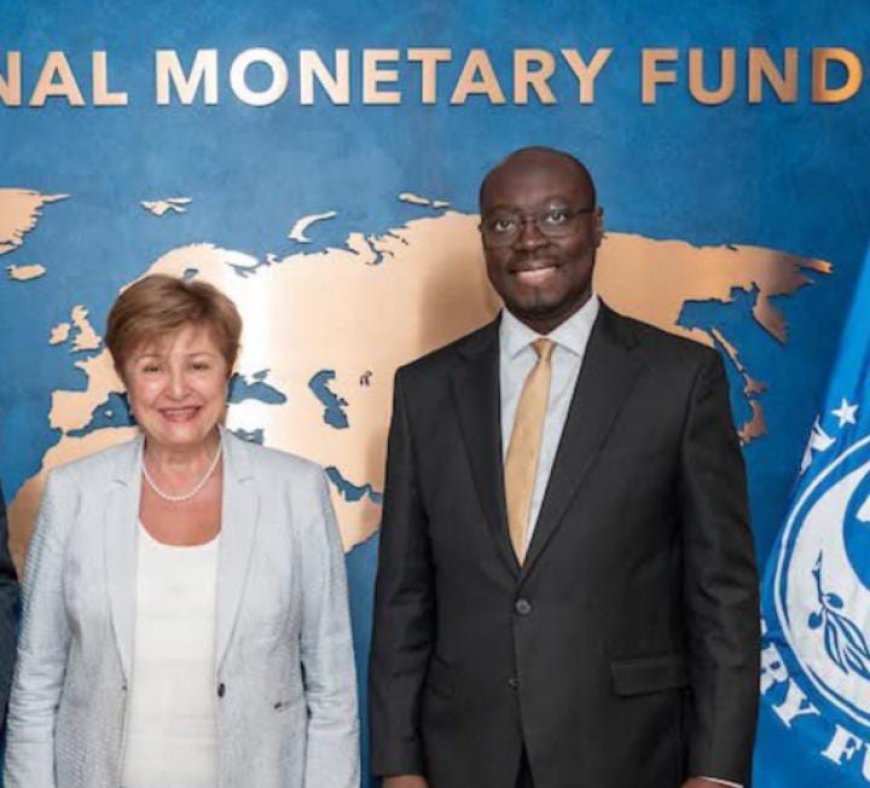


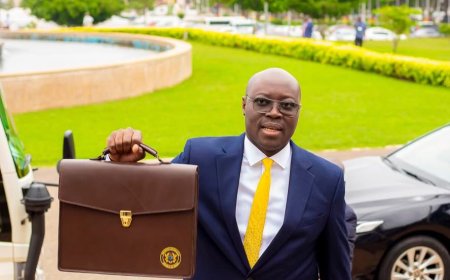
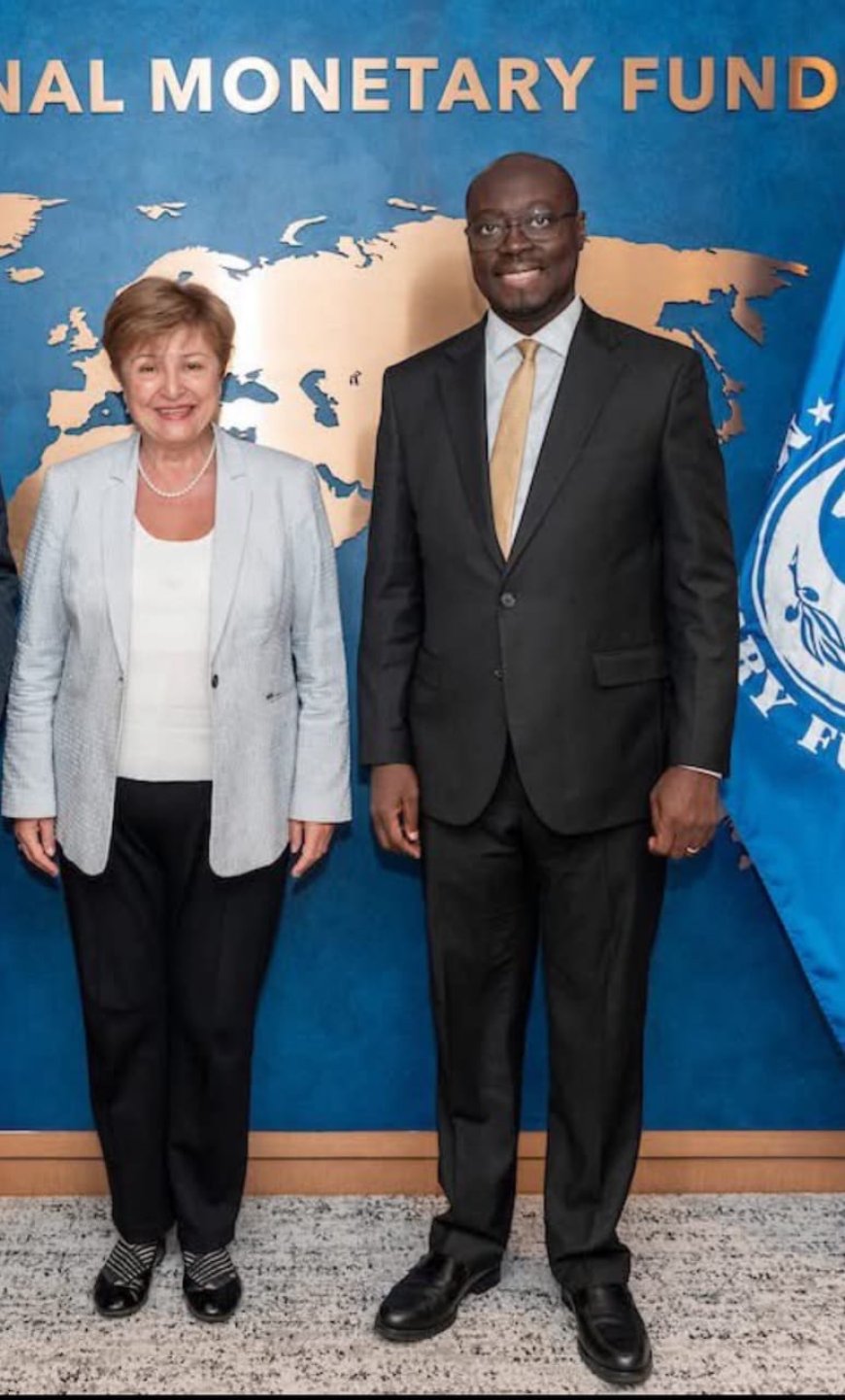
Washington D.C, USA - 8 July, 2025 - Ghana has secured a $370 million disbursement from the International Monetary Fund (IMF) following the approval of its fourth review under the $3 billion Extended Credit Facility (ECF) programme, marking a significant milestone in the country’s economic recovery efforts, Finance Minister Dr Cassiel Ato Forson announced on 7 July 2025.
The approval, which brings total IMF support to over $2.3 billion since May 2023, underscores Ghana’s progress in restoring fiscal discipline and macroeconomic stability after a severe economic crisis in 2022.
Dr Forson, in a statement shared on social media, hailed the IMF’s decision as a validation of Ghana’s commitment to comprehensive reforms, describing it as a “decisive step” in rebuilding international confidence.
The funds, expected to reach the Bank of Ghana by 11 July, will bolster foreign exchange reserves, support budgetary operations, and facilitate pro-growth initiatives. The IMF’s review, conducted after a staff-level agreement in April 2025, acknowledged Ghana’s strides despite earlier fiscal slippages in late 2024, driven by election-related spending pressures.
The government’s subsequent measures, including a tightened 2025 budget and public financial management reforms, addressed these setbacks, ensuring compliance with programme targets.The ECF programme, launched in May 2023, has been a cornerstone of Ghana’s recovery from a 2022 crisis marked by 54.1% inflation, a 50% cedi depreciation, and a default on external debt.
The programme has supported fiscal consolidation, with Ghana achieving a primary fiscal surplus of 0.5% of GDP in 2024 and targeting 1.5% in 2025 through enhanced revenue mobilization and expenditure rationalization. Inflation has fallen to 13.7% by June 2025, and the cedi has appreciated by over 40% this year, reducing the debt-to-GDP ratio to 55%, a target initially set for 2028.
International reserves reached $11 billion by June, covering five months of imports, a significant improvement from $1.1 billion in early 2023.A key achievement has been Ghana’s progress in debt restructuring. Following a domestic debt exchange in 2023 and a $2.8 billion agreement with official creditors under the G20 Common Framework in June 2024, parliament approved a deal with 25 creditor nations, including China and France, on 24 June 2025. Negotiations with commercial creditors, including Eurobond holders, are ongoing to finalize restructuring terms.
The IMF noted that these efforts, combined with prudent monetary policies by the Bank of Ghana, have strengthened financial sector stability and supported economic growth, projected at 4.0% in 2025 and 4.5% in 2026, driven by agriculture and industry.
The Bank of Ghana’s measures, including a 450-basis-point rate hike to 29% in 2025 and enhanced exchange rate flexibility, have helped curb inflation and rebuild reserves. Structural reforms, such as modernizing tax administration and improving state-owned enterprise management in the cocoa and energy sectors, are fostering a private-sector-friendly environment.
What's Your Reaction?