









































Ghana’s Tourism Sector Hits $4.8bn as Kwame Nkrumah Park Tops 2024 Visitor List



Accra, Ghana - 7 July, 2025 - Ghana’s tourism sector has achieved a record-breaking $4.8 billion in revenue in 2024, with 1.28 million international visitors flocking to the country’s iconic attractions, according to the Ghana Tourism Authority’s (GTA) 2024 Tourism Report launched on 3 July in Accra.
The report, unveiled at the Accra Tourist Information Centre under the theme “Growth and Sustainability,” underscores Ghana’s growing status as a leading travel destination in West Africa, driven by its rich cultural heritage, historical landmarks, and natural wonders.
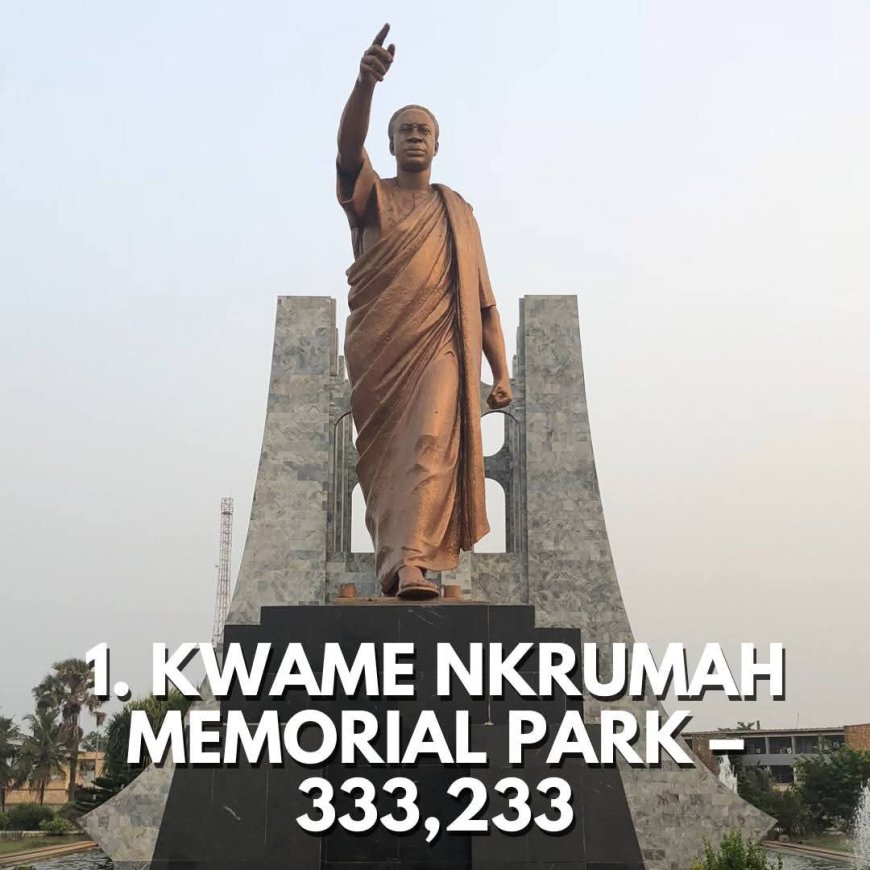
The Kwame Nkrumah Memorial Park in Accra topped the list of most-visited sites, drawing 333,233 visitors in 2024, a significant increase from 208,577 in 2023 following its redevelopment. The park, dedicated to Ghana’s first president and a towering figure in the Pan-African movement, features a mausoleum, museum, and artefacts chronicling the country’s independence struggle. Its appeal lies in its historical significance and recent upgrades, including a digital walk-through museum showcasing Nkrumah’s speeches, making it a must-visit for both domestic and international tourists.
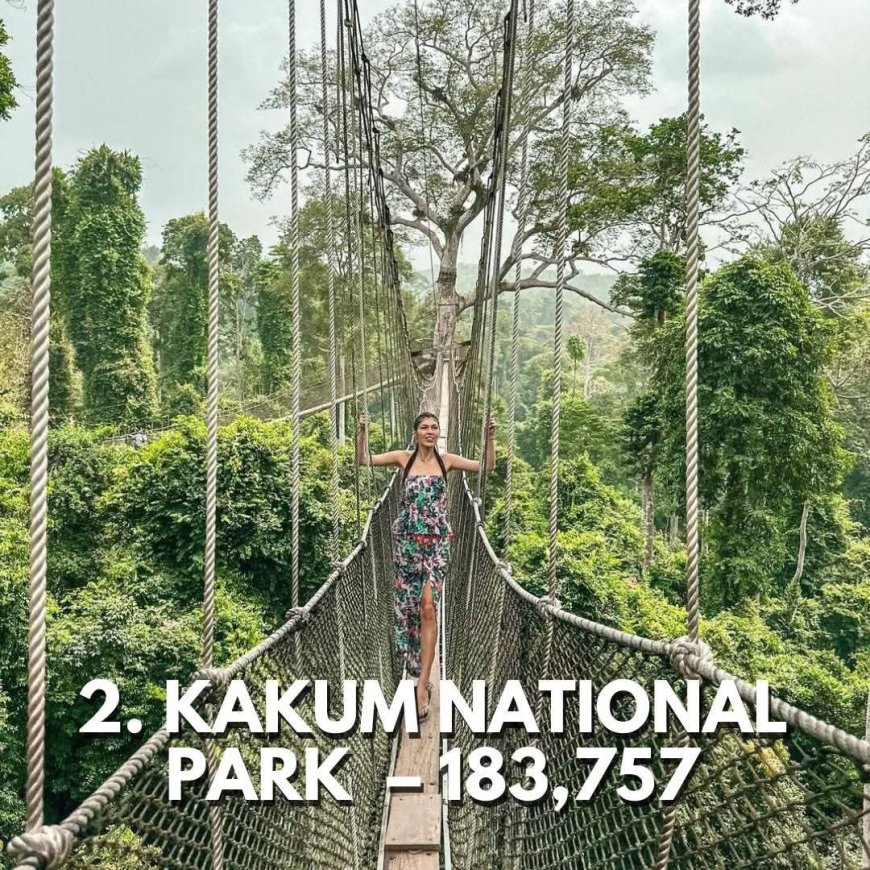
Kakum National Park in the Central Region followed as the second most popular site, attracting 183,757 visitors with its renowned 333-meter canopy walkway suspended 27 meters above the rainforest floor. The park, a haven for birdwatchers with over 300 species and home to elusive wildlife like forest elephants and leopards, continues to draw adventure seekers and nature enthusiasts.

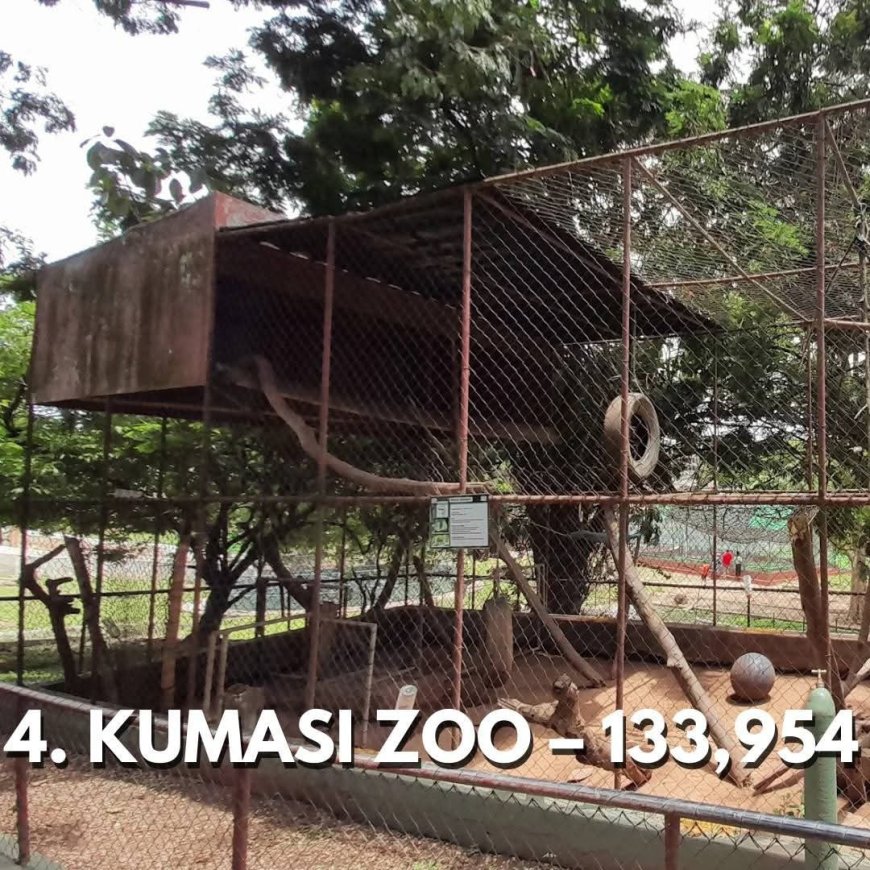
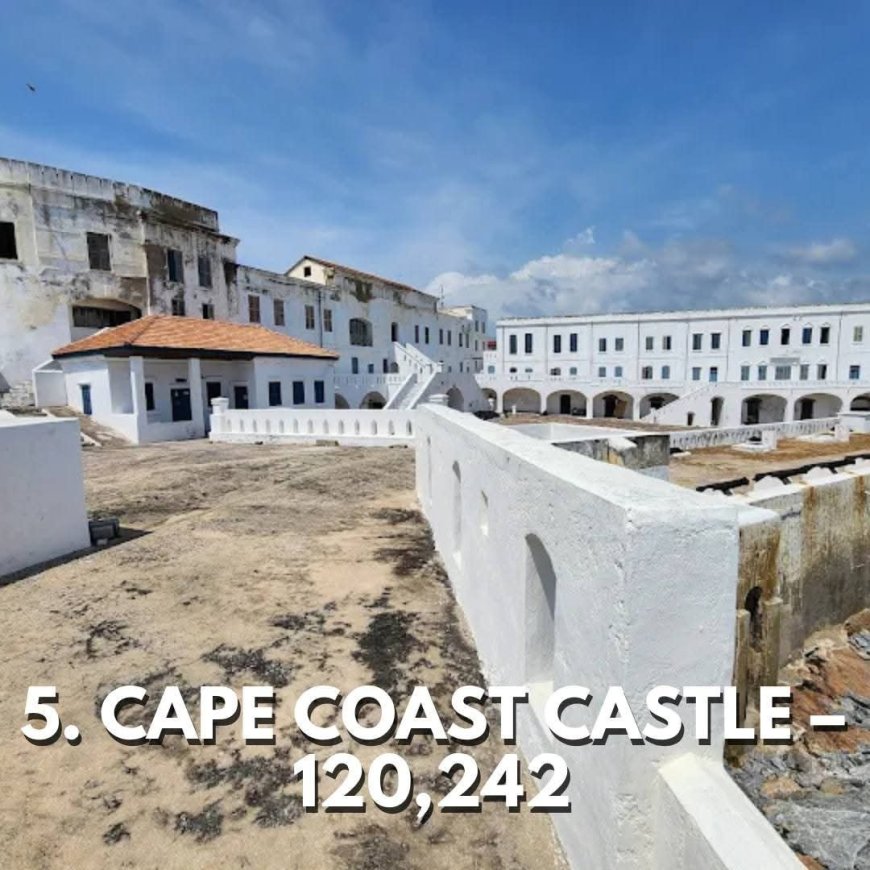
Bunso Arboretum in the Eastern Region secured third place with 155,149 visitors, offering a serene escape with over 110 bird species, a herb garden, and a treetop walkway. Kumasi Zoo in the Ashanti Region welcomed 133,954 visitors, while the historic Cape Coast Castle, a UNESCO World Heritage Site linked to the transatlantic slave trade, saw 120,242 visitors.
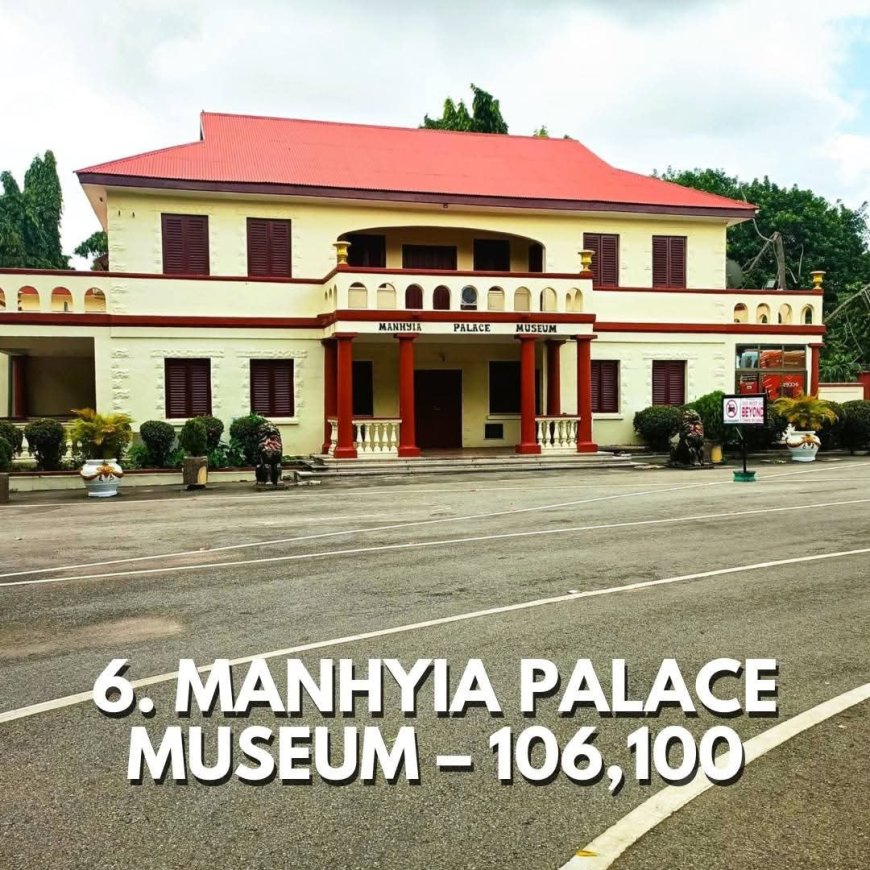
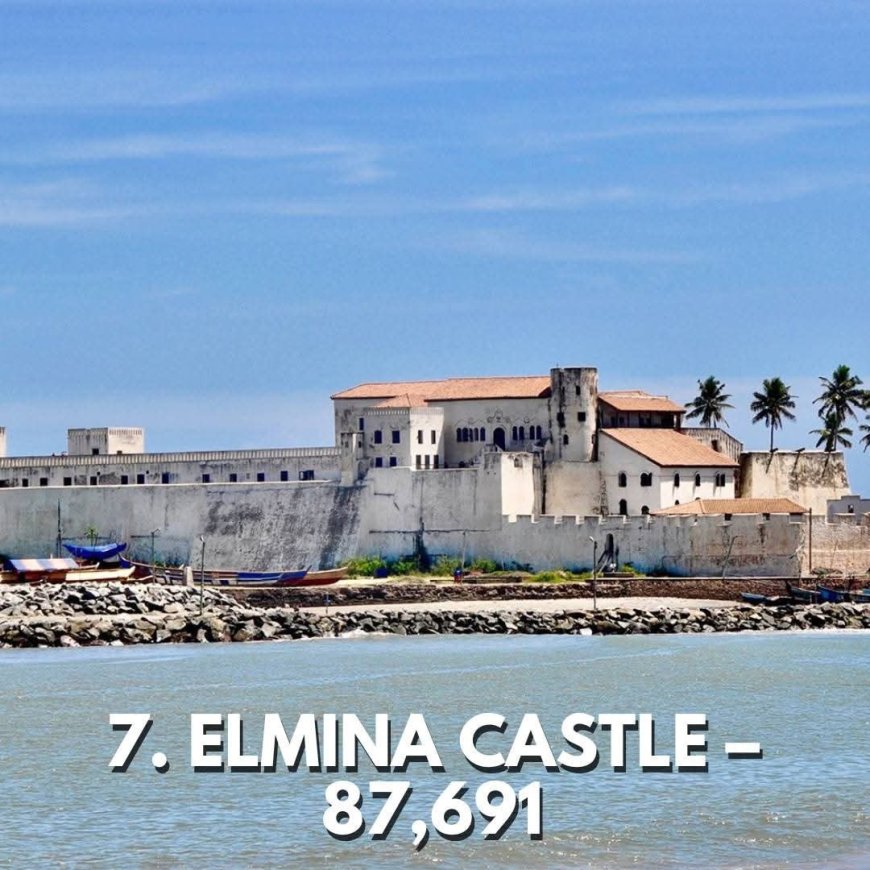
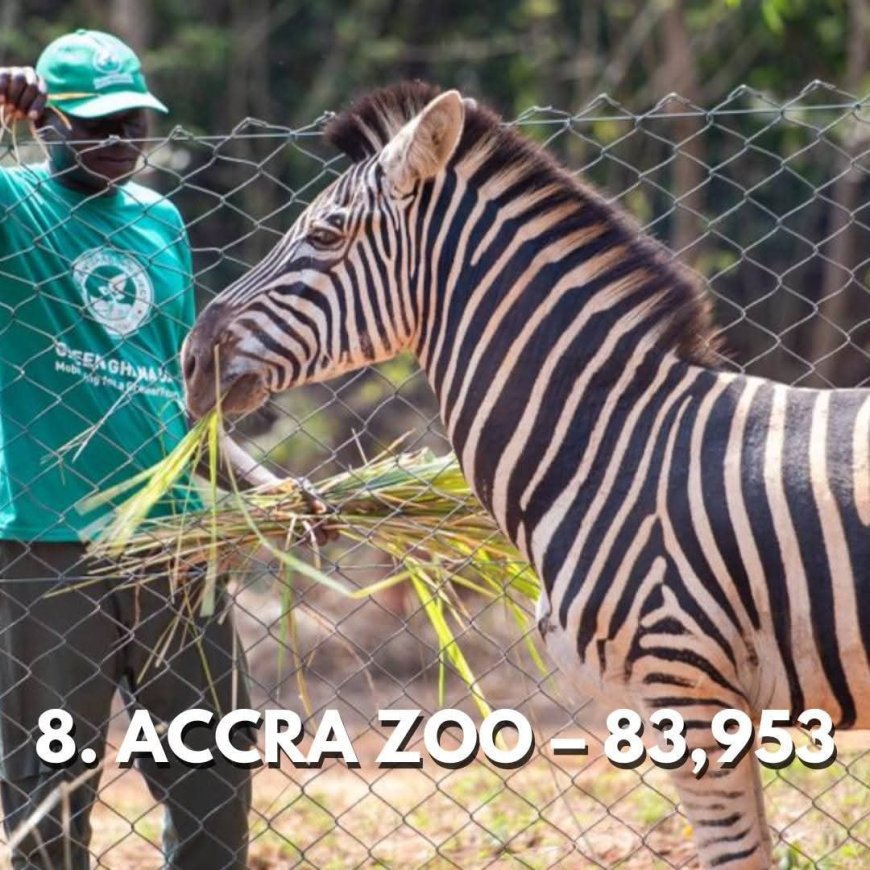
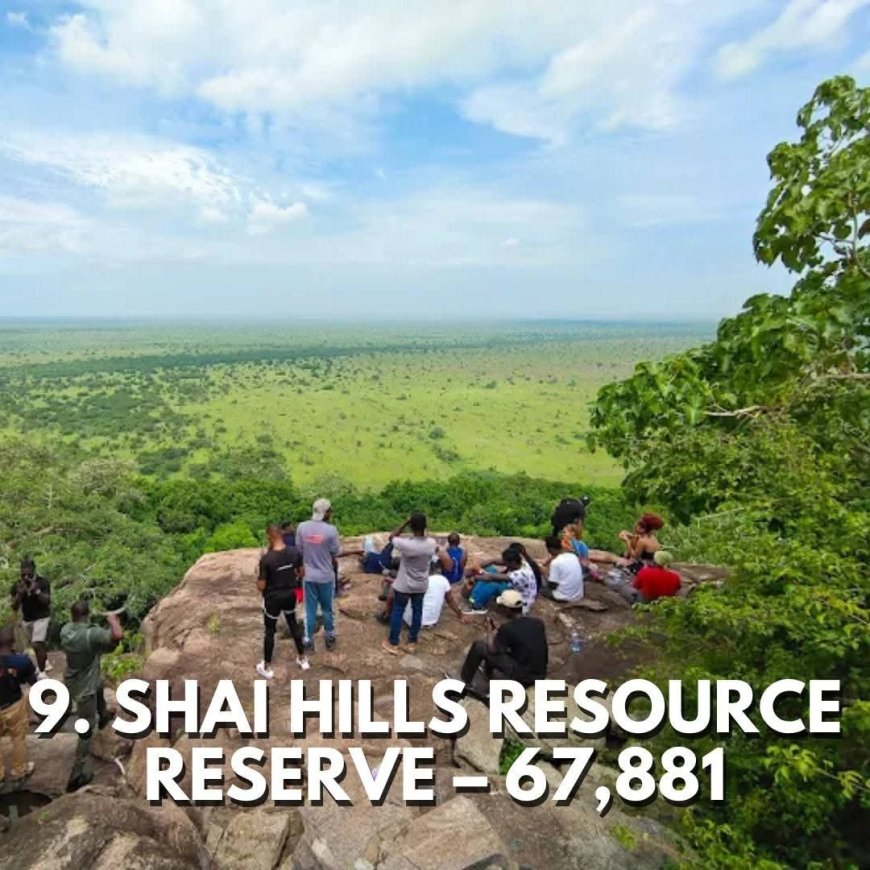
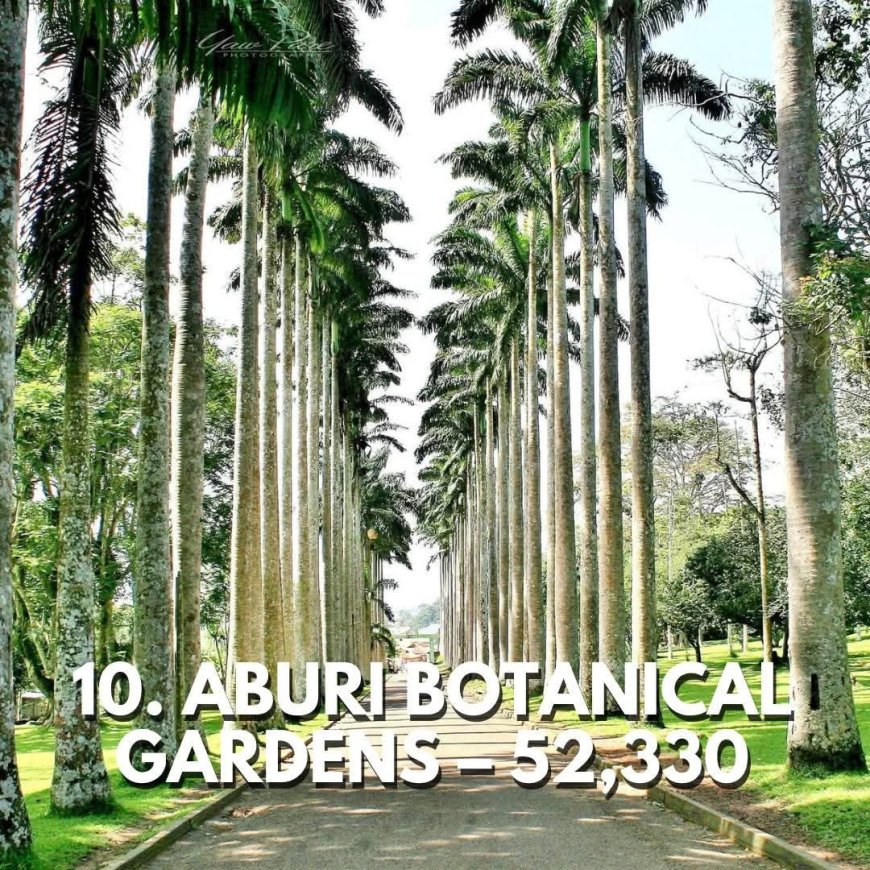
Other notable sites included the Manhyia Palace Museum in Kumasi, which drew 106,100 visitors with its exhibits on Ashanti history, and Elmina Castle, visited by 87,691 people. Accra Zoo, Shai Hills Resource Reserve, and Aburi Botanical Gardens rounded out the top ten, with 83,953, 67,881, and 52,330 visitors respectively, reflecting the growing popularity of eco-tourism alongside Ghana’s historical offerings.
The report highlights a 12% increase in international arrivals compared to 2023, with the United States, Nigeria, and the United Kingdom as top source markets. Nigeria alone saw a 25% surge in visitors, driven by cultural events like December in GH, which attracted tourists staying an average of 22 nights and spending over $700 daily. Domestic tourism also surged, with 1.68 million visits to key attractions, a 19% rise from the previous year.
The hospitality sector expanded, with 6,702 licensed tourism enterprises in 2024, up from 5,786 in 2023, and cruise tourism grew by 38%, with 14 ships bringing over 12,600 passengers, primarily Americans, to Tema and Takoradi ports.
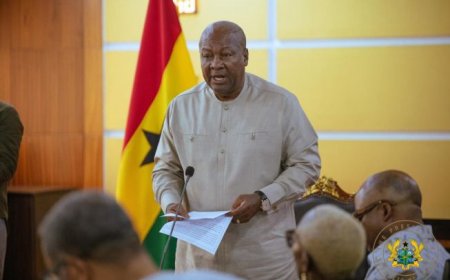
GTA Chief Executive Maame Efua Huoadjeto attributed the sector’s success to intensified collaboration with private stakeholders, enhanced training for tourism practitioners, and sustainable practices, including eco-tourism and community-based initiatives. She called for continued innovation to unlock new markets and strengthen infrastructure.
Deputy Minister for Tourism, Culture, and Creative Arts, Yussif Jajah, emphasized the report’s role as a data-driven tool for policy-making, aligning with global standards set by the United Nations World Tourism Organization. Events like PANAFEST, the Kwahu Paragliding Festival, and December in GH were cited as key drivers of economic activity and job creation.
Despite the achievements, challenges remain, including the need for improved infrastructure and regulatory compliance to sustain growth.
The report’s launch, attended by figures like GTA Deputy CEO Abeiku Santana and Ghana Tourism Development Company CEO Prof. Kobby Mensah, marked a commitment to leveraging data for strategic planning.
What's Your Reaction?