




































Bank of Ghana's Rate Cut: What It Means for Your Loans and Savings
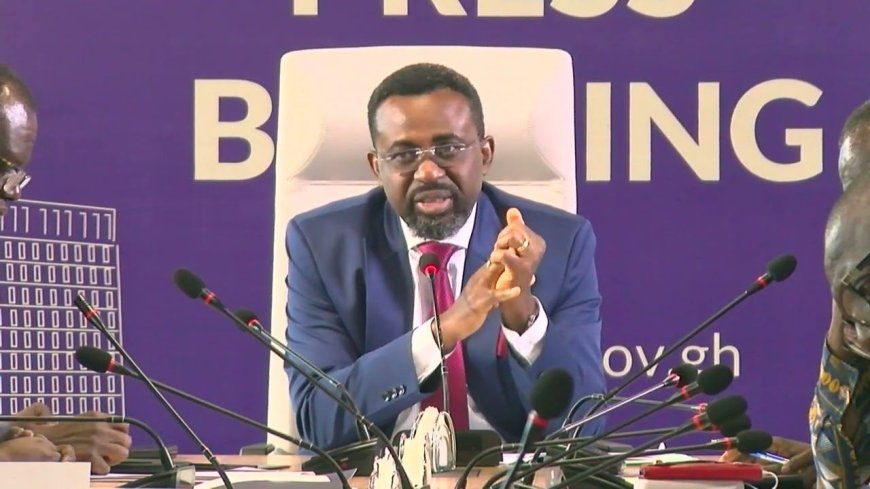


The Bank of Ghana's decision to reduce its Monetary Policy Rate (MPR) from 25% to 21.5% is a significant move that can have far-reaching implications for both businesses and individuals.
Impact on Businesses
- Increased Access to Credit: Lower interest rates make borrowing more affordable for businesses, which can lead to increased investment in expansion, hiring, and production. This is particularly beneficial for small and medium-sized enterprises (SMEs) that rely heavily on credit to finance their operations.
- Boost to Economic Activity: Reduced interest rates can stimulate economic activity, particularly in sectors such as manufacturing, construction, and agriculture, which are critical for Ghana's economic growth.
- Improved Business Confidence: The rate cut can lead to increased business confidence, encouraging companies to take on more loans and invest in their operations.
Impact on Individuals
- Cheaper Loans: Lower interest rates translate to cheaper loans for individuals, making it more affordable to purchase homes, cars, or finance personal projects.
- Increased Consumer Spending: With lower borrowing costs, individuals may be more likely to take on loans and spend on consumer goods, driving growth in sectors like real estate, automobile sales, and retail.
- Improved Disposable Income: Reduced interest rates can lead to lower loan repayments, increasing individuals' disposable income and enabling them to allocate more resources to savings, investments, or consumption.
Economic Implications
- Stimulating Economic Growth: The rate cut is expected to stimulate economic growth by increasing access to credit, boosting consumer spending, and encouraging business investment.
- Inflation Control: Although inflation has been a concern in Ghana, the Bank of Ghana's decision to cut rates suggests that inflationary pressures are easing, allowing for more accommodative monetary policy.
- Improved Investor Confidence: A stable and predictable monetary policy environment can attract foreign investment, supporting Ghana's economic development.
Source – Lead News Online/Emanuel Kofi Ahadzi
What's Your Reaction?