


















Ablakwa Rejects Claims Ghana Softened LGBTQ+ Position in UN Abstention



Accra, Ghana - 10 July, 2025 - Ghana’s government has firmly denied claims that it softened its stance on LGBTQ+ rights after abstaining from a United Nations Human Rights Council vote, clarifying that the resolution in question focused on broader human rights protections rather than endorsing homosexuality.
The controversy, which sparked widespread debate in Ghana, stems from a July 7, 2025, vote at the 59th session of the UN Human Rights Council (HRC59) in Geneva, where Ghana was one of three member states to abstain from renewing the mandate of the Independent Expert on Protection Against Violence and Discrimination Based on Sexual Orientation and Gender Identity (SOGI).
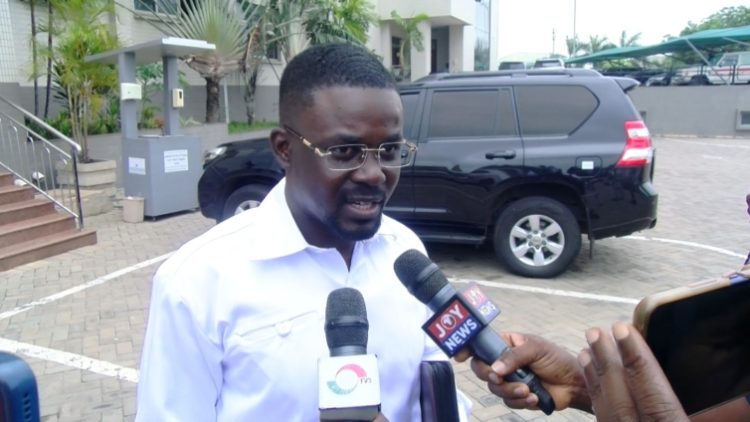
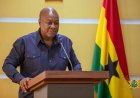
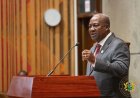
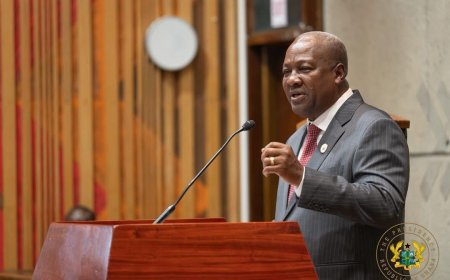
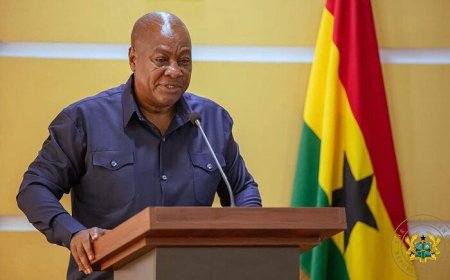
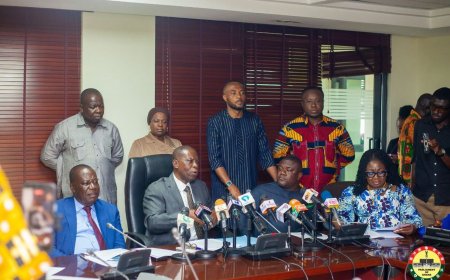
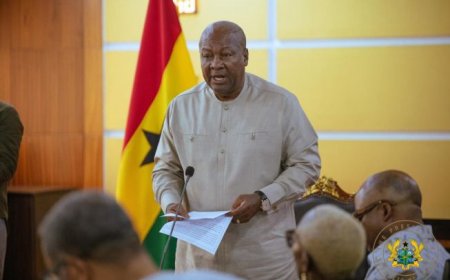
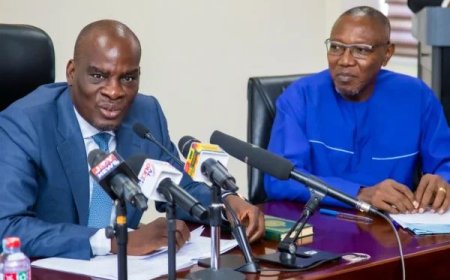
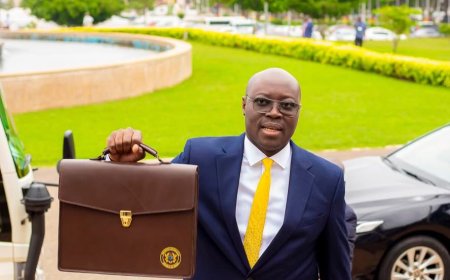
Foreign Affairs Minister Samuel Okudzeto Ablakwa addressed the issue during a commissioning ceremony for Ghana’s new UNESCO representative, emphasizing that media reports suggesting Ghana’s abstention signaled support for LGBTQ+ rights were misleading.
He clarified that the vote concerned the continuation of the Independent Expert’s role, which includes documenting abuses and advising governments on protecting individuals from violence and discrimination based on sexual orientation and gender identity, as well as other human rights issues like violence against women.
''The motion before the international organisation had nothing to do with a human rights question. Instead, it was a question of extending the tenure of some experts on the Human Rights Council.”
“There was no vote on support for LGBTQ+ for which Ghana abstained,” Ablakwa stated, adding that Ghana’s decision aligned with its constitutional principles and cultural values.
“The ministry wishes to state for the records that there was no vote on support for LGBTQ+ for which Ghana abstained. So let’s get it clear, there was no vote on support for LGBTQ+ for which Ghana abstained,” he said.
“Our ambassador in Geneva has clarified, he has sent a full report and has clarified that the vote was about independent experts' mandate on violence against women, against people of various sexual orientations,” he noted.
The Independent Expert’s role, established in 2016, involves assessing human rights law implementation, investigating abuses, and providing policy guidance to UN member states.
According to the UN Human Rights Council, the mandate aims to ensure protections for all individuals, including those of diverse sexual orientations and gender identities, from violence and discrimination.
Despite Ghana’s abstention, the resolution passed, reflecting continued international commitment to these protections.Ghana’s decision to abstain has drawn criticism domestically, with some accusing the government of failing to uphold the country’s conservative values.
Public sentiment in Ghana, where same-sex relationships remain illegal under colonial-era laws, is largely opposed to LGBTQ+ rights. A 2021 Afrobarometer survey found that 93% of Ghanaians believe homosexuality is “not acceptable.”
This sentiment has fueled ongoing debates over the Promotion of Proper Human Sexual Rights and Ghanaian Family Values Bill, commonly known as the anti-LGBTQ+ bill, which has been under consideration in Ghana’s parliament since 2021.
The proposed legislation seeks to criminalize same-sex relationships, advocacy, and public displays of affection, with penalties of up to three years in prison.Critics, including prominent Ghanaian lawyer Foh Amoaning, have expressed disappointment over the government’s abstention, arguing it reflects indecision on a matter central to national identity.
Social media posts on X echoed this sentiment, with some users describing the abstention as “political spin” and a failure to outright reject the mandate.
What's Your Reaction?