







































GHS Reports Seven New Mpox Cases as Outbreak Reaches 170
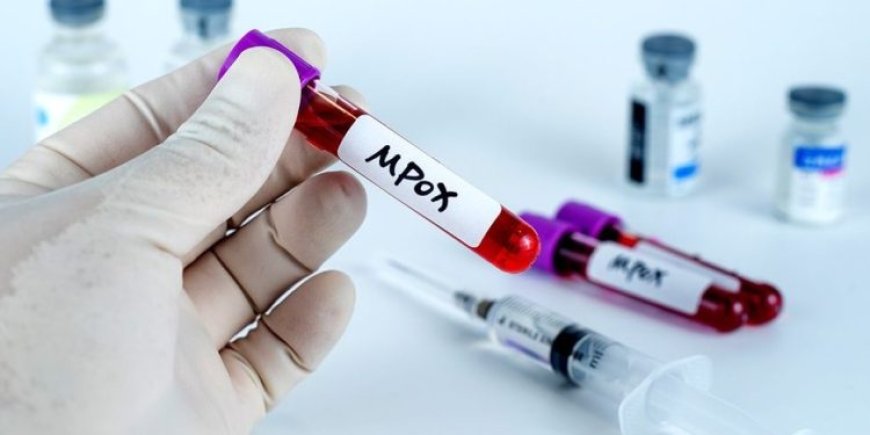


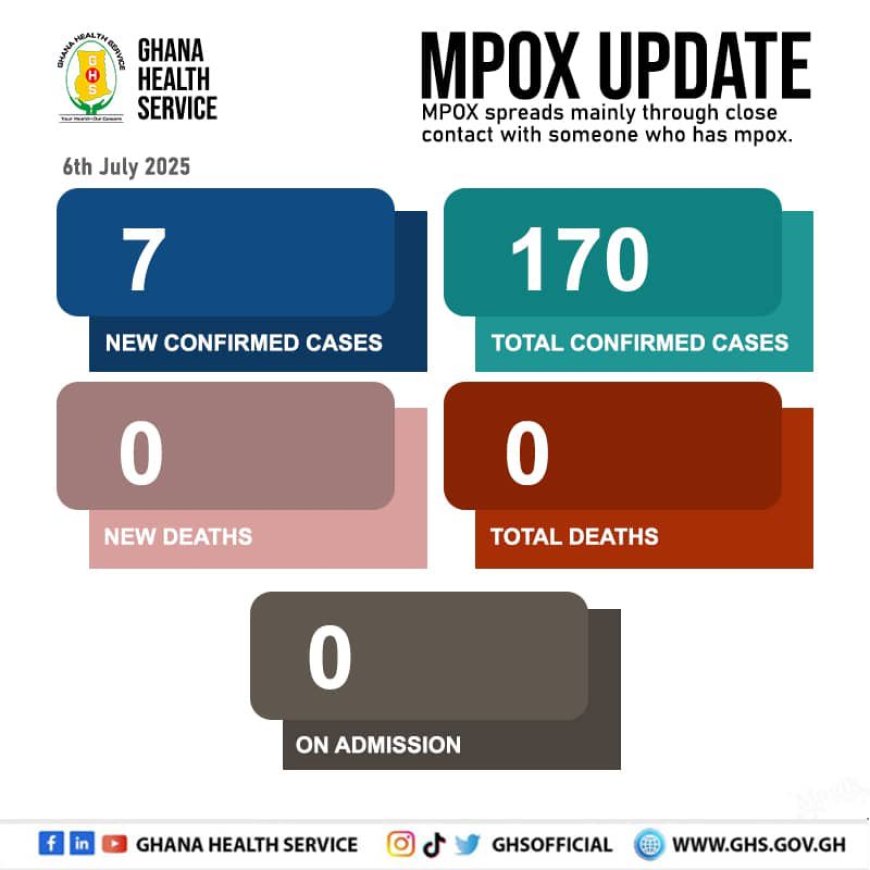
Accra, Ghana - 11 July, 2025 - Ghana is grappling with a growing mpox outbreak, as the Ghana Health Service (GHS) confirmed seven new cases on July 6, 2025, bringing the total to 170 infections since the start of the year.
No deaths have been reported, and health authorities say all patients are being managed without hospitalisation, reflecting effective early interventions.
The surge, concentrated in the Western Region, has prompted intensified surveillance and public awareness campaigns to curb the spread of the viral disease, which is transmitted through close contact.
The latest cases add to a steady rise in infections, with the GHS reporting 163 confirmed cases by June 22, 2025, of which 71% originated in the Western Region.
The first case this year was detected on October 1, 2024, in a junior high school student in Western North, followed by his mother, both of whom recovered fully without spreading the virus further. The GHS attributes this containment to heightened public awareness, bolstered by World Health Organization (WHO)-supported social media campaigns and community engagement.
Since 2022, Ghana has recorded 297 confirmed cases, with four deaths, all from earlier years, according to the Africa Centres for Disease Control and Prevention (Africa CDC).
Mpox, formerly known as monkeypox, is a zoonotic viral disease caused by the monkeypox virus, endemic in parts of Central and West Africa. Symptoms include fever, rash, swollen lymph nodes, and muscle pain, with transmission occurring primarily through direct contact with infected individuals, animals, or contaminated materials.
The current outbreak in Ghana involves the less severe clade II strain, distinct from the more transmissible clade Ib strain driving a public health emergency in the Democratic Republic of Congo (DRC) and neighbouring countries. The WHO declared the DRC outbreak a Public Health Emergency of International Concern on August 14, 2024, citing over 15,600 cases and 537 deaths in the region.
In Ghana, the GHS has activated an emergency response system, focusing on surveillance, contact tracing, and public education. The GHS has urged the public to wash hands frequently, avoid contact with symptomatic individuals, and report symptoms promptly to health facilities.
What's Your Reaction?