







































Cedi Plummets Beyond President Mahama's Projected Stability Band, Sparking Inflation Fears



The Ghanaian cedi has taken a significant hit, breaching President John Dramani Mahama's projected stability band of ₵10-₵12 against the US dollar. As of September 3, 2025, commercial banks like ABSA and Stanbic are selling the dollar at ₵12.10, while forex bureaus are trading at a staggering ₵12.70. This unexpected turn of events has sent shockwaves through the economy, sparking fears of renewed inflation, rising prices, and deeper cost-of-living pressures.
The Impact on Inflation and Prices
The cedi's depreciation is likely to drive up prices of imported goods, including essentials like rice, cooking oil, spare parts, and medicines. This could lead to an uptick in inflation, which has been easing for eight consecutive months. If inflation rises, households may see their incomes eroded, and businesses, especially import-dependent SMEs, will face increased uncertainty and costs.
Consequences for Businesses and Households
The widening gap between the bank rate and the forex bureaux rate will make imports more expensive, potentially pushing transport fares and utility costs higher. This could further exacerbate the cost-of-living crisis, making survival increasingly costly for ordinary Ghanaians. Economists warn that unless confidence is restored through stronger inflows, tighter fiscal discipline, and credible forex management, the cedi's descent could continue to erode purchasing power.
President Mahama's Earlier Projection
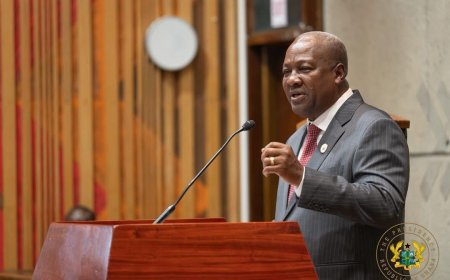
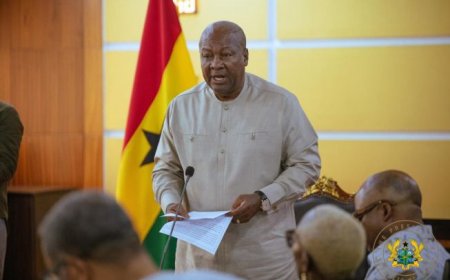
In June 2025, President Mahama, citing discussions with the Governor of the Bank of Ghana and the Minister for Finance, projected that the true value of the cedi lies between ₵10 and ₵12. However, just three months later, the cedi has breached this band, leaving many wondering about the accuracy of the projection and the government's ability to manage the economy.
The Way Forward
To mitigate the effects of the cedi's depreciation, the government may need to implement measures to restore confidence in the currency, such as increasing foreign exchange inflows, tightening fiscal discipline, and improving forex management. Businesses and households will need to adapt to the changing economic landscape, exploring ways to minimize the impact of rising prices and costs .
Credit – The High Street Journal
What's Your Reaction?