
























Akonta Today, Asew Tomorrow?


When the men who mine our gold begin to mine our conscience, the Republic itself is in danger. Akonta Mining was never just another company. It was a mirror held to the soul of a nation addicted to hypocrisy, where forest reserves are fenced by law but looted by loyalty, and where the most powerful of men can tear through the law with impunity, then still be hailed as “Chairman.”
In 2022, the nation was told that Akonta Mining had no lease to mine in the Tano Nimiri Forest Reserve. The Minerals Commission confirmed it. The Ministry of Lands ordered a stop. Yet, from the seat of power, the President at the time declared, “As we speak, Akonta Mining is not engaged in illegal mining.” That statement alone should be carved into Ghana’s political hall of shame. It marked the exact moment when governance bent the knee to friendship.
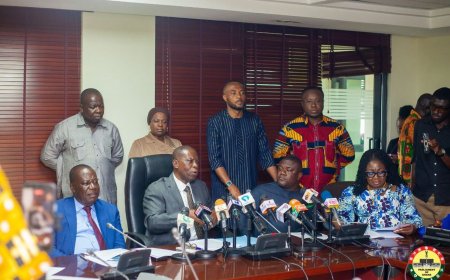
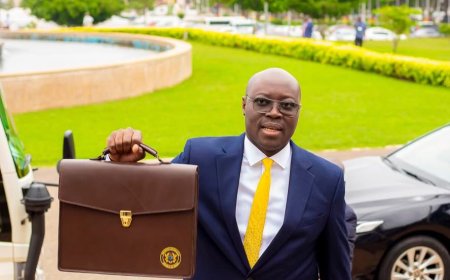
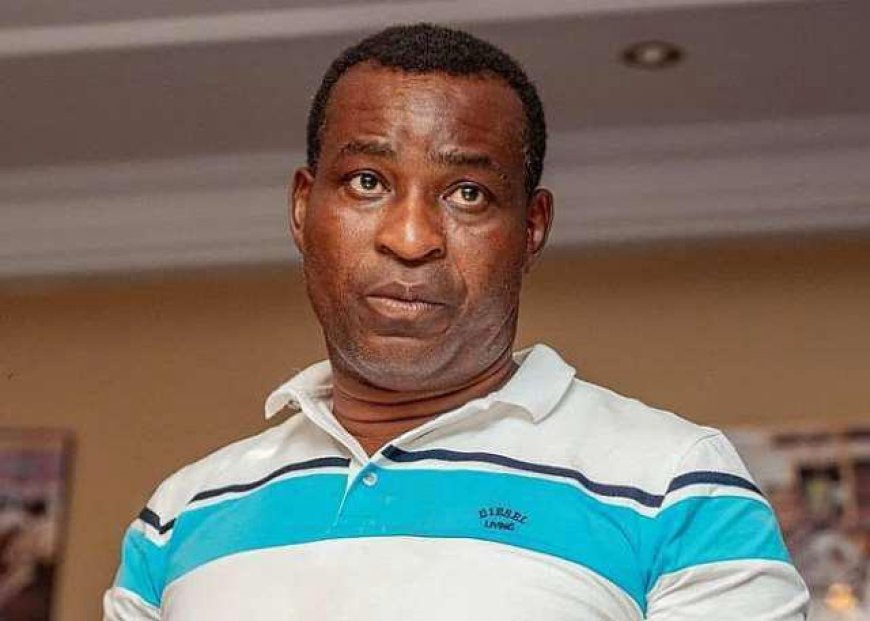
Fast forward to October 2025. The script has come full circle. Bernard Antwi-Boasiako, popularly known as Chairman Wontumi, the NPP’s Ashanti Regional Chairman, has now reported to the Criminal Investigations Department Headquarters after the Attorney-General, Dr. Dominic Ayine, announced that charges had been signed against him and his company. The same Akonta Mining once defended from the highest podium in the land is now a criminal file on the Attorney-General’s desk.
For years, Akonta Mining symbolized Ghana’s contradictions in its so-called fight against galamsey. Governments have declared “wars” on illegal mining while political elites, financiers, and local power brokers quietly traded the uniforms of principle for the robes of profit. Soldiers were sent to burn excavators while others imported new ones through the backdoor. Activists were jailed; financiers were shielded. The people of Tarkwa, Obuasi, and Dunkwa watched as rivers turned the color of rust and forests disappeared like smoke. Yet the faces behind the crime kept smiling for cameras, wrapped in the authority of power.
Chairman Wontumi has always played the part of the untouchable insider, untouchable because of political muscle, insider networks, and a system too afraid to offend its own. But power is seasonal. Today, the same system he once boasted of navigating has invited him to the CID Headquarters for questioning. Not as a kingmaker. As a suspect.
Dr. Ayine’s insistence that “charges have been signed” and his warning of arrest if Wontumi failed to appear mark a small but significant restoration of institutional memory. It’s a reminder that justice can be slow, but it is never permanently silenced. Wontumi’s lawyers have called the tone “unnecessary.” Of course, they would. In a society where privilege often trumps accountability, the very act of summoning the powerful feels like an affront to entitlement.
But the deeper wound is not Wontumi. It is us. The Republic has suffered from selective blindness. When ordinary men are caught with a shovel, we call it galamsey. When powerful men use bulldozers and helicopters, we call it investment. That is why forests vanish under ministerial watch, why rivers carry mercury instead of fish, and why the law itself has become a negotiable instrument.
The Frimpong-Boateng report warned us years ago: the fight against galamsey is not about the poor, it is about the powerful. It is about men who sit at the intersection of politics and plunder. It is about a national elite that preaches discipline but practices indulgence. Akonta Mining is not an isolated case; it is the case study of a system where justice waits for political seasons to change.
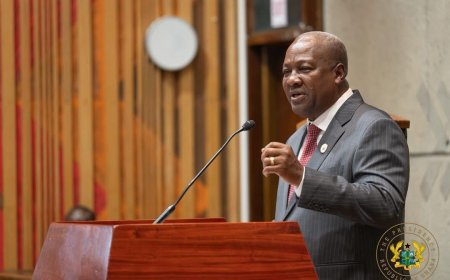
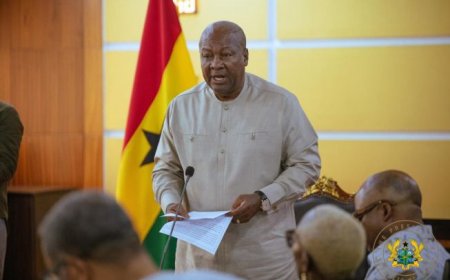
Today, Chairman Wontumi walks into the CID Headquarters not as the mighty regional emperor of the NPP but as a man who must answer to the Republic. The Attorney-General’s move should not be celebrated as a witch-hunt, but as a long-overdue rebalancing. If this government, under President John Dramani Mahama, can allow the law to act without fear or favor, then perhaps the moral spine of the state can begin to heal.
The same energy used to summon Wontumi must be applied to every politically protected miner, every fraudulent permit holder, every forest thief in the uniform of power. Ghana’s political class, across divides, has built this monster of contradictions; the nation must now slay it.
Akonta Mining’s story is not over. It is the first act in a national reckoning. If we fail to see this as a turning point, we will wake up again to new names, new companies, and the same old impunity.
When power shields greed, the land itself rebels. Let this be the moment Ghana learns that no wealth is worth a wounded conscience.
Credit - Kay Codjoe
What's Your Reaction?